Film production often gets attention for how things look on screen. But good looks on their own do not get a job done. What people do not always see is how much behind-the-scenes structure holds it together. A solid production is not glued together with luck (it relies on clear roles, thoughtful planning, and a timeline that makes sense from the first meeting to the final cut).
We think of film production as the support beam behind the camera. It helps the creative ideas stay grounded and helps everything run without too many bumps along the way. When a project needs lots of people, tools, and moving parts, a clear plan keeps everyone heading in the same direction. The more thought we give it upfront, the smoother the whole process tends to go.
Planning First, Shooting Second
It is tempting to jump straight to filming once ideas take shape. But skipping the planning stage ends up costing time, not saving it. When a project starts without a clear plan, shoot days become rushed or scattered, and small tasks turn into last-minute scrambles.
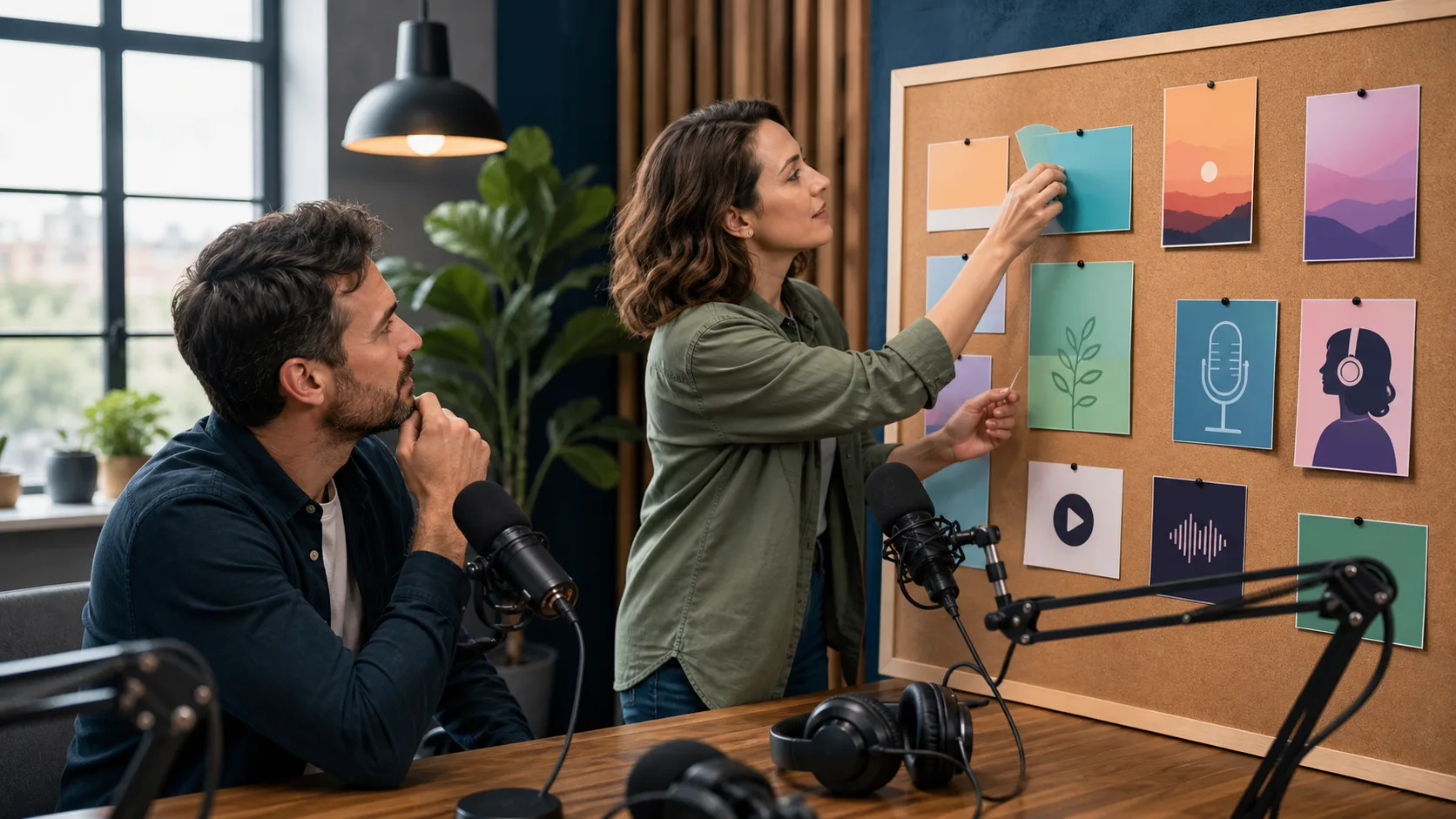
Film production brings order to the process with tools like shot lists, schedules, and storyboards. These help everyone on the crew understand what will happen and when.
- Storyboards give a visual guide so each shot has a purpose
- Daily schedules let people prepare ahead, which avoids delays
- Planning makes space for reviewing locations, testing kit, and lining up shots before anyone says “action”
When things are mapped out early, we build in breathing room instead of always catching up. With a steady plan in hand, everyone arrives knowing exactly what is expected of them.
How Film Teams Work Together
A smooth production is never a one-person job. There are lots of roles on set, and when they are clear from the start, it helps more than just the final edit (it improves the way people work together).
- Directors keep the vision in focus and make choices frame by frame
- Camera operators work closely with the visuals, catching what matters most
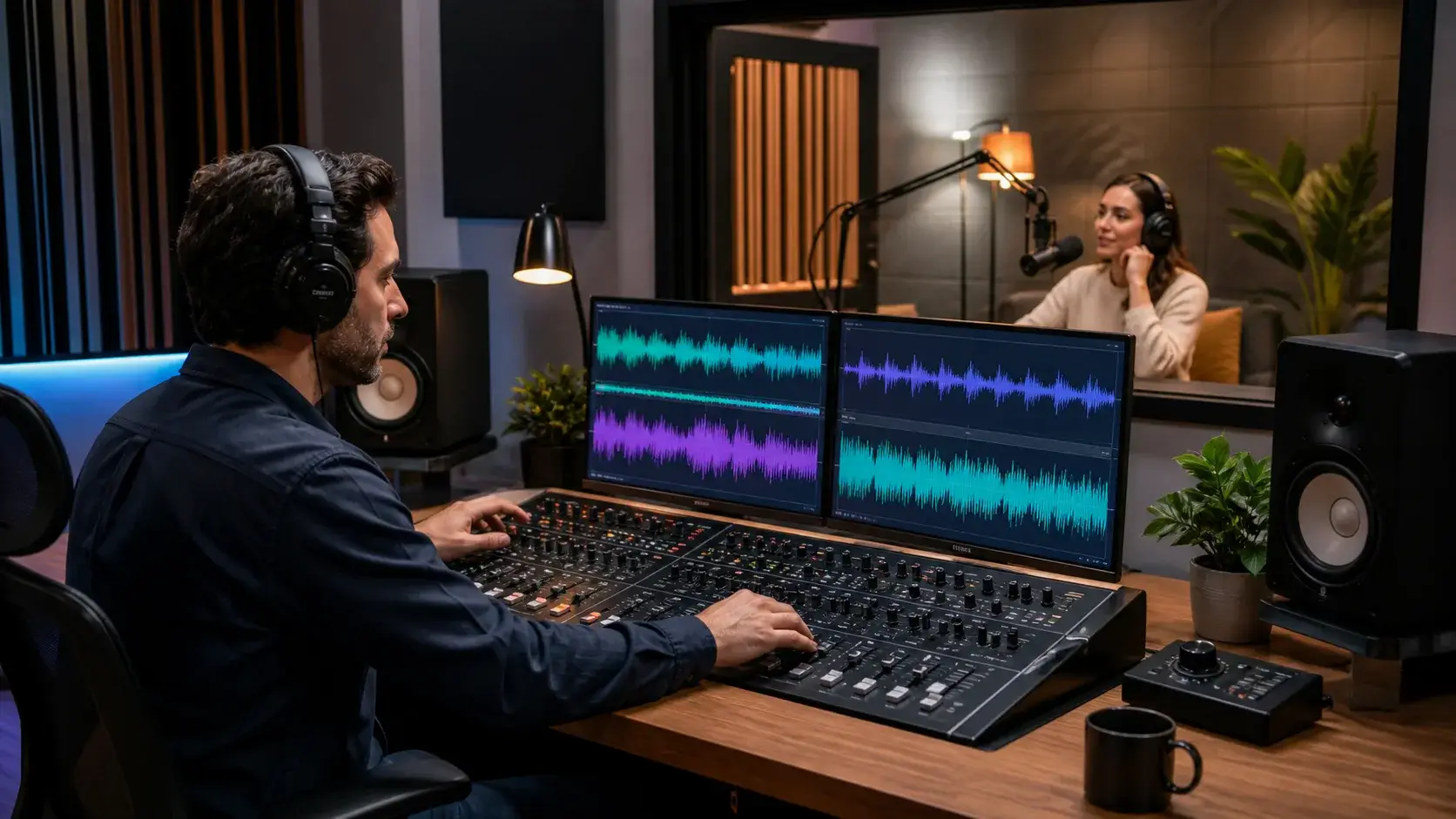
- Sound, lighting, and editing roles all slot in at different points, each adding a key piece
By setting out these roles early, the whole thing feels more like a group walking in step than a crowd all doing their own thing. It has the same feeling as a good classroom project (everyone brings different skills, and the task moves faster when each person knows where they fit). That kind of setup removes confusion and makes everything from problem-solving to lunch breaks run more easily.
Staying Flexible Without Losing Focus
Projects rarely go exactly as planned. When we put in the work up front, we stay better prepared for whatever shifts along the way.
A bit of flexibility is always useful. Whether it is a rainy shoot day, a delay in travel, or a piece of kit not working as expected, things change. That is why having a steady production plan already in place matters. It gives us something to refer back to and helps us make quick updates without undoing all the progress up to that point.
Good film production does not lock us in. Instead, it lays down a clear starting path so we are not frozen when things shift. We adjust, move things around, and still keep the project heading the right way. It is a balance between structure and quick thinking, where one supports the other.
When the Editing Room Saves the Day
Filming might get the spotlight, but editing quietly carries just as much weight. After the cameras are off and the sound gear is packed away, that is when we see what worked (and what did not).
Editing fixes more than rough edges. It gives the project another chance to breathe and makes room to tell the story better. Small things can be adjusted without needing a whole re-shoot:
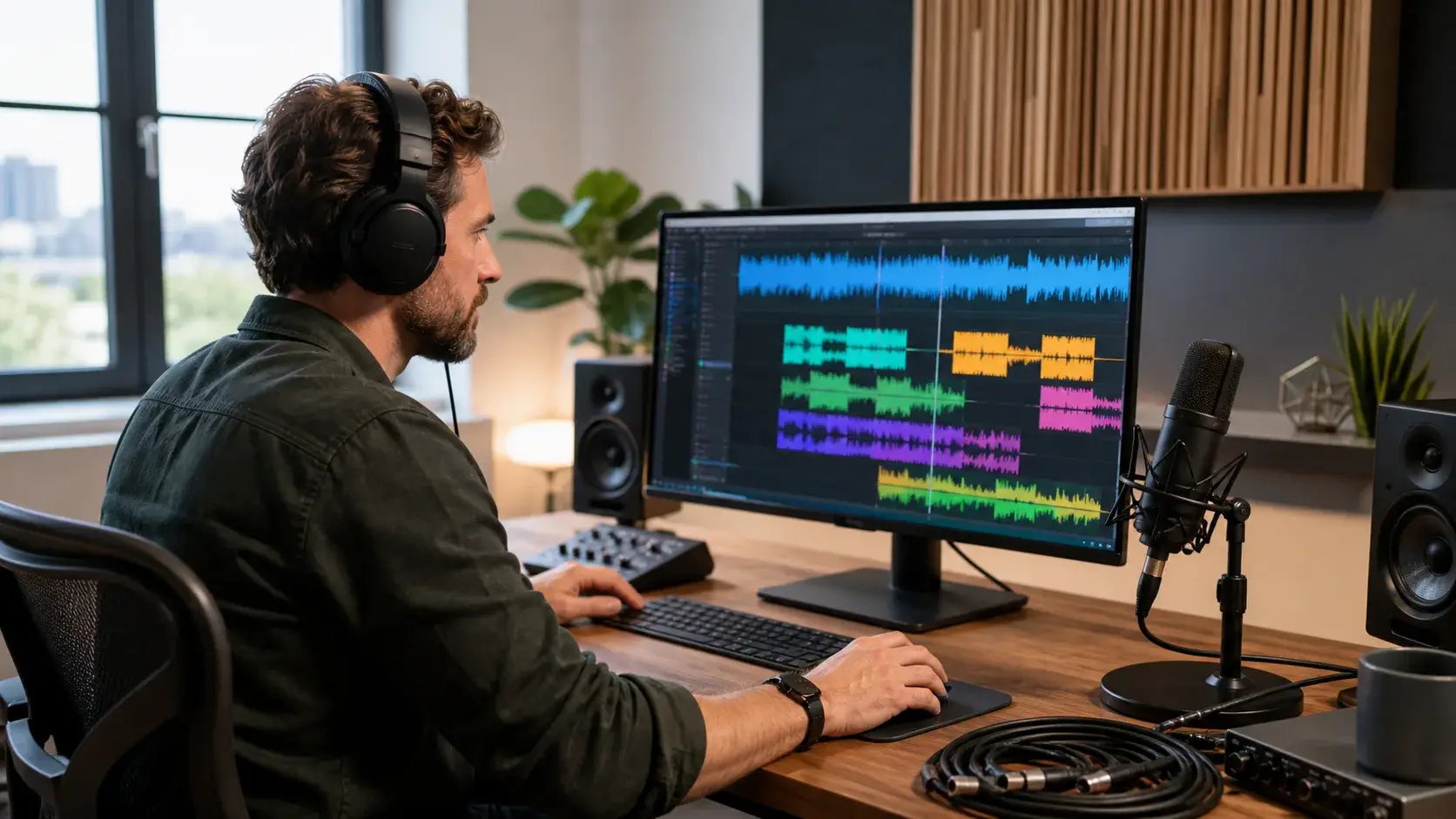
- Clips can be cut down or rearranged to make everything clearer
- Extra takes can be used to improve flow
- Music, sound effects, and voiceovers can fill gaps or shift the mood
It is often in the edit that a project really finds its pace. Even surprises from the shoot day, like background noise or shaky shots, can be sorted with enough time and care. Editing does not just clean things up, it improves how people feel when they watch. And that always stays with them longer than the list of gear we used or how long we were on set.
Why It’s More Than Looking Good
Looking good on camera matters, but the shine only holds up if it is built on something strong underneath. What might feel smooth and simple to watch is often the result of careful prep, smart timing, and clear decisions at every stage.
When we take time to plan early, commit to our crew’s strengths, and stay steady during curveballs, the result is clear and consistent. It works better for the people making it and for the people watching it.
Film Production That Keeps You on Track
The best film production does not shout to be noticed. It stays calm in the background, holding the project in place from start to finish. Our crew manages every detail, from booking studios and filming at your location, to editing sharp, branded films made for web, social, or internal channels. When others see the final cut, they might not name all the steps it took, but they will feel it just the same.
A strong finish starts well before the cameras roll, and that is where thoughtful planning makes all the difference. We make sure every stage runs smoothly, from organizing shoot days to fitting edits together in a way that feels balanced and clear. When you are putting together a new project or assembling a growing team, proper film production can handle the details so your results feel seamless. On Air can help you bring everything together without rushing any of the steps. Let us know if you would like to talk through your next idea.