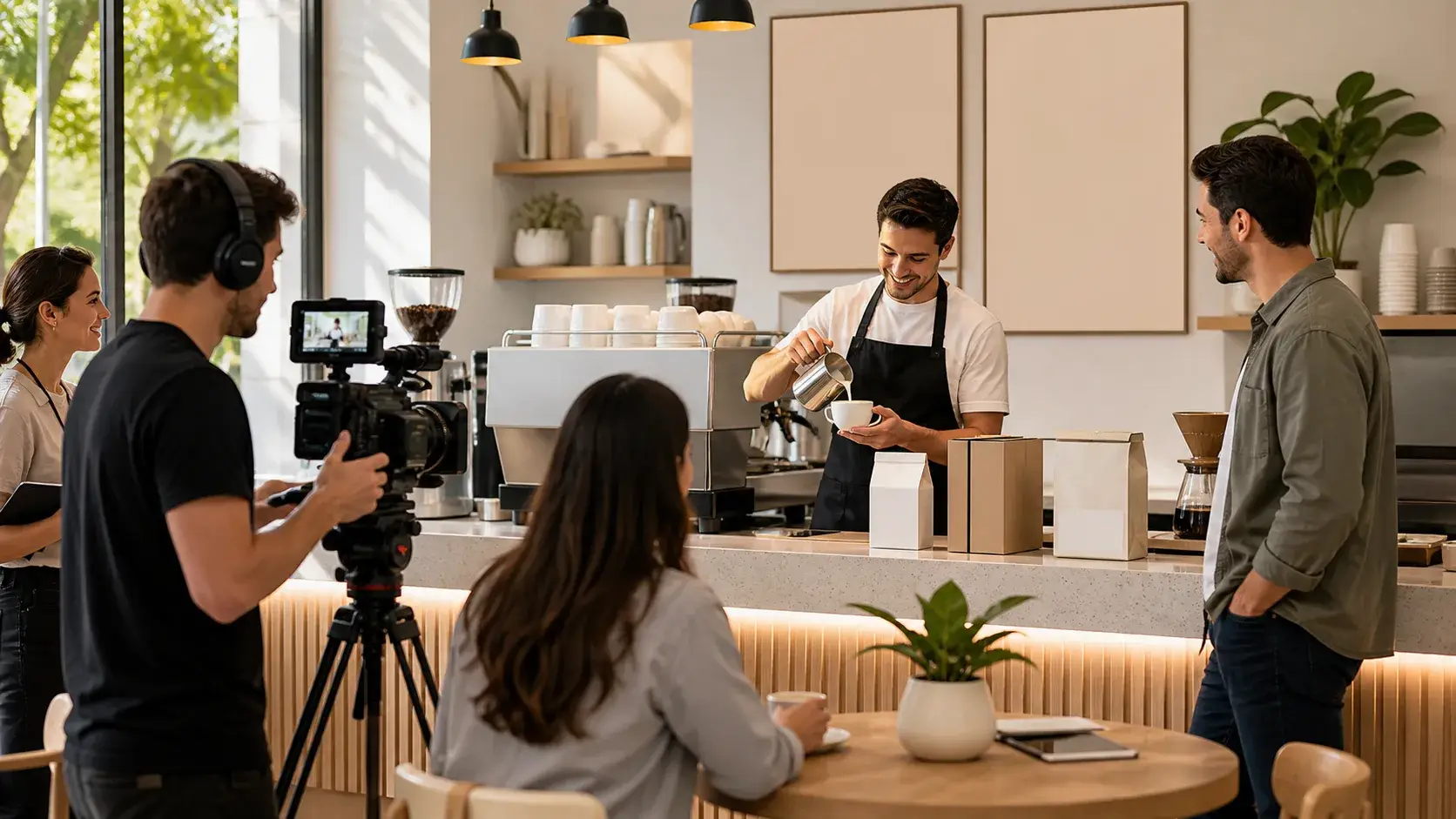
If you’ve never booked film production services before, it can be easy to imagine it’ll feel like what you see in behind-the-scenes clips, lots of bright lights, clapperboards snapping shut, and everyone moving in sync around the set. What’s harder to spot straight away is that all those moments come from a slow, well-planned process. The shoot days might get the spotlight, but they’re just part of something much bigger and more steady.
A good production involves structure, timing, and lots of clarity between everyone involved. Each stage supports the next. When we take it one step at a time, the work flows better and there’s far less room for stress or confusion. That’s what helps create results that look polished but still feel natural. And that’s what to expect when getting set up for the first time.
Booking Basics: What Happens First
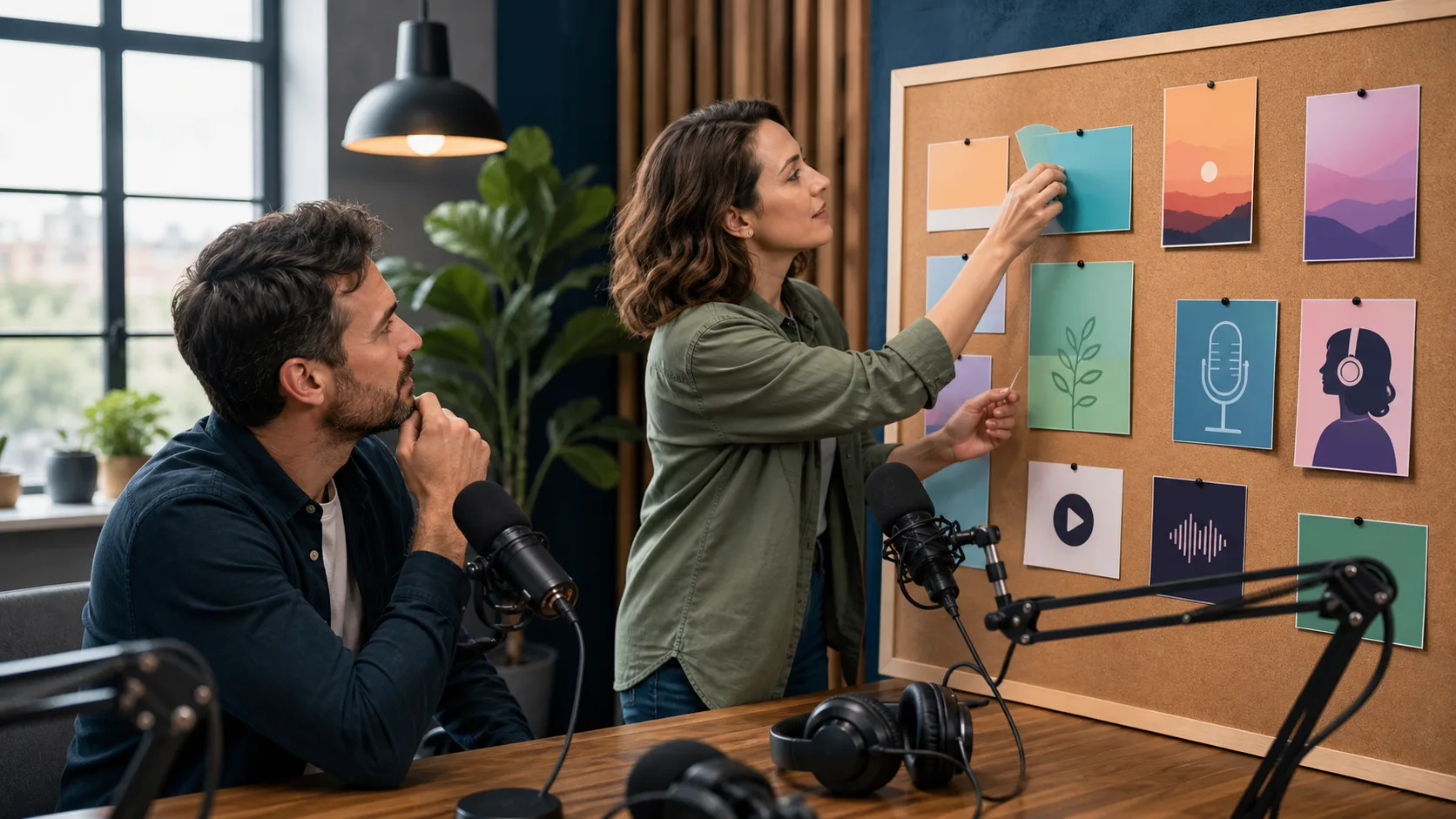
The first part of the process starts with the most straightforward thing, having a chat. This helps us understand what matters most to you and how you hope the project will turn out. Some people walk in with a very clear idea. Others have a rough sketch in their head. Both are fine.
What we talk about early on usually includes things like:
- What kind of final piece you’re hoping for
- Where and when you’d like to film
- If you’ll need interviews, voiceovers, or location changes
- What sort of kit and style might work best for the job
These opening conversations don’t have to feel formal. It’s more about getting a feel for the mood and message of what you want to make. Once we’ve gathered those pieces, we can begin shaping a plan that fits.
Planning the Shoot: Getting Everything in Place
Once we understand the shape of the project, we start piecing together how to get it all filmed. This means more than just putting dates on a calendar, it’s about creating enough space for things to feel solid without rushing through. A bit of time spent here saves a lot of time later on.
Some of the steps we work through include:
- Building a shooting timeline that lines up with everyone’s availability
- Reviewing or developing scripts and storyboards
- Planning out interview or filming locations to match the story
- Picking the right crew and equipment to suit the size and style of the job
We also look at the rhythm of each day, like when’s best to shoot in certain locations or how lighting might shift. Having clear plans makes shooting days feel more relaxed and helps everyone know what to expect.
On Set: What the Actual Shoot Feels Like
Filming days don’t always move in a straight line. Even with a plan, we need to stay flexible. Light might change, sound issues might pop up, or schedules might shift slightly. Being ready to adjust without losing focus is part of what makes a shoot successful.
A typical shoot day often includes:
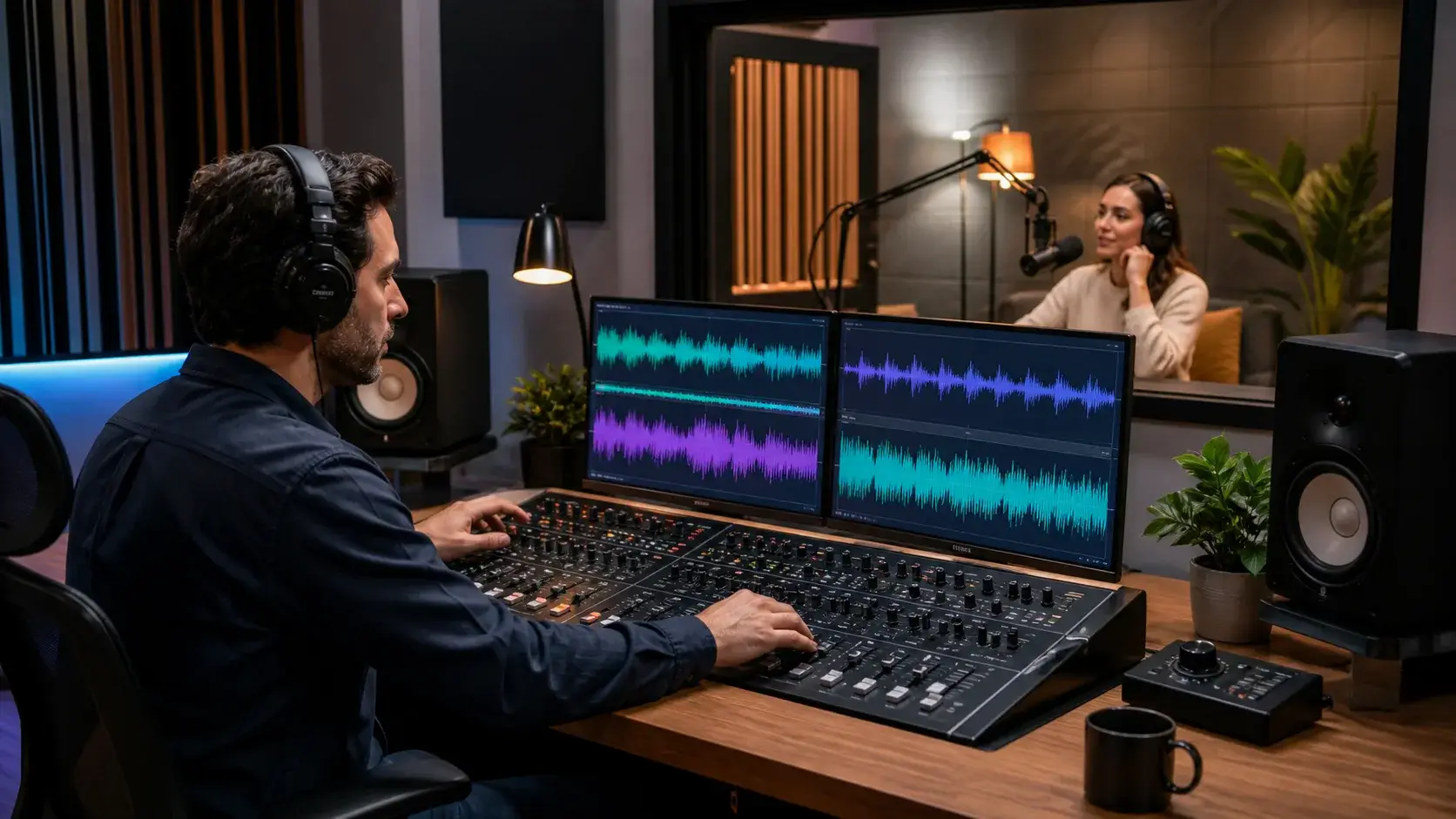
- Arriving early to set up gear and test sound and light
- Walking everyone through the day’s schedule and key shots
- Doing multiple takes to get the best results
- Checking in throughout the day to make sure things stay on track
We try to keep the mood on set calm and focused. There’s always a bit of pressure when the camera’s recording, but with the right steps in place, we can reduce stress and create space to capture better footage.
Editing and Post-Production: The Final Stretch
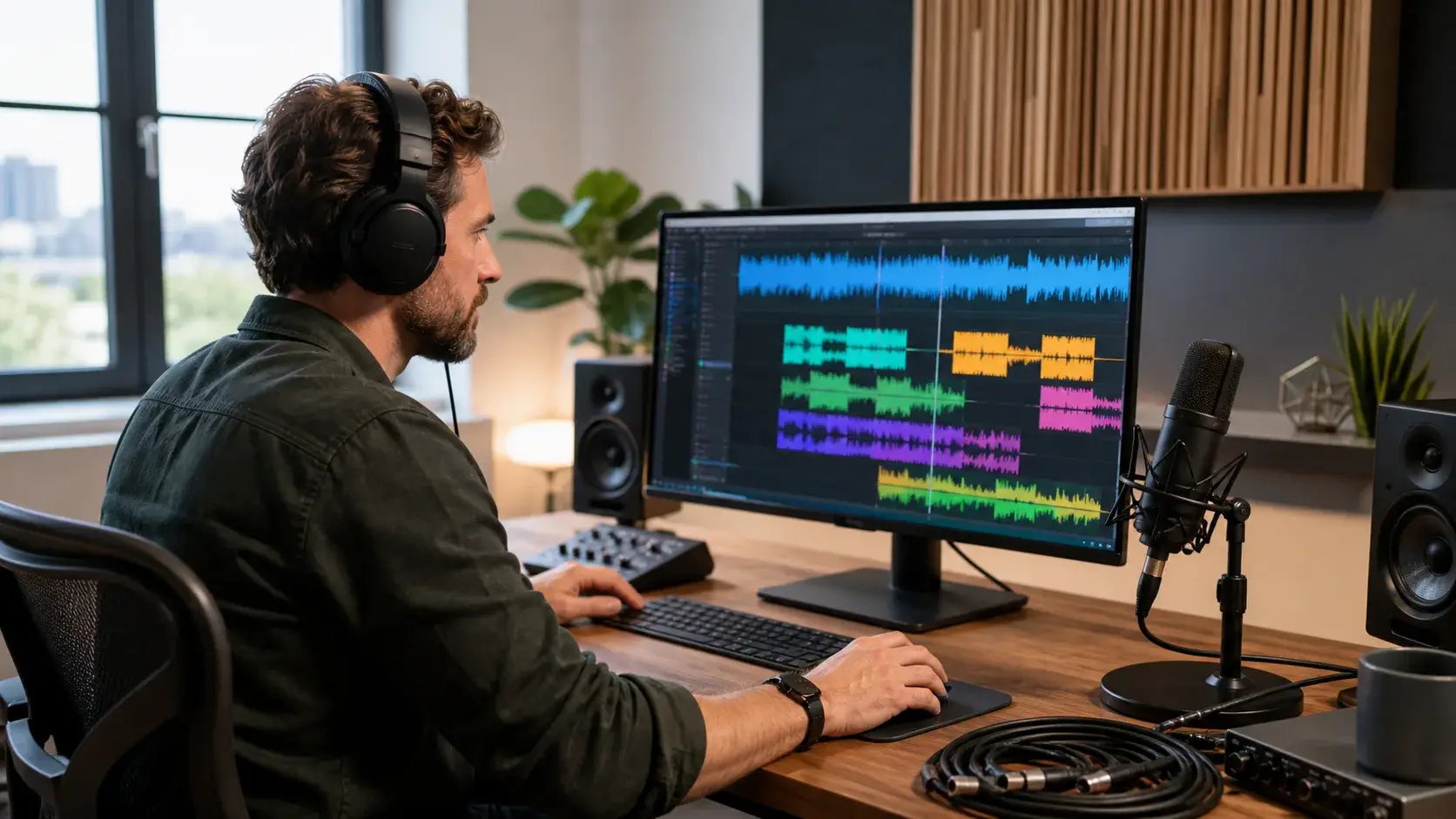
Once filming finishes, the project moves into editing. This part pulls all the parts together into the final piece. Good editing doesn’t just clean things up, it shapes the rhythm and makes sure the message comes through clearly. If shots need to be trimmed or extra footage added, this is the point where those choices happen.
The editing stage might include:
- Picking the best cuts from all the takes recorded
- Adjusting colour and lighting to make the shots feel even
- Adding music, graphics, or titles depending on the style
- Making changes based on feedback and reviewing updated versions
This stage often works in layers. First we build the basic structure, then we shape the timing, and finally we polish. Feedback plays a big part here, we want the finished version to land the way it should.
Why Process Brings Peace of Mind
Good productions don’t have to feel rushed or overwhelming. When each part of the work is planned out clearly, the steps begin to flow more naturally. You don’t need to know all the answers at the start. Having a process in place means we can uncover what works best as we go.
Each phase builds on the last. From the first chat to the last edit, the shape of the work grows clearer with every step. Knowing what comes next takes the pressure off and leaves more space to focus on what matters most. That’s what makes the whole thing feel more like a shared effort and less like a scramble. Trust, timing, and clear roles, not flashy shortcuts, are what keep everything steady from start to finish.
How On Air Makes Every Shoot Smooth
At On Air, you can film in our dedicated Central London studios, in your office, or at a location that fits your project best. Our setup includes broadcast-quality camera, sound, and lighting equipment, so your message comes through clearly and your presenter feels comfortable on filming days. We also guide you through every edit and review round, making changes based on your feedback and delivering files for the web, internal comms, or social media.
Ready for a Filming Experience That Flows
If you want to see your story come to life without the stress, working step by step with a team that’s handled projects from global brands to growing creative businesses can help everything run smoothly.
Every stage of production benefits from having a solid plan, from the initial conversation right through to the final edit. Our team at On Air focuses on support that’s calm, clear, and shaped to your ideas. Rather than piling on unnecessary effects, we believe in careful planning, precise timing, and making your experience on set as smooth as possible. See how we manage our full range of film production services from start to finish. To discuss your project or find out more, just get in touch with us today.