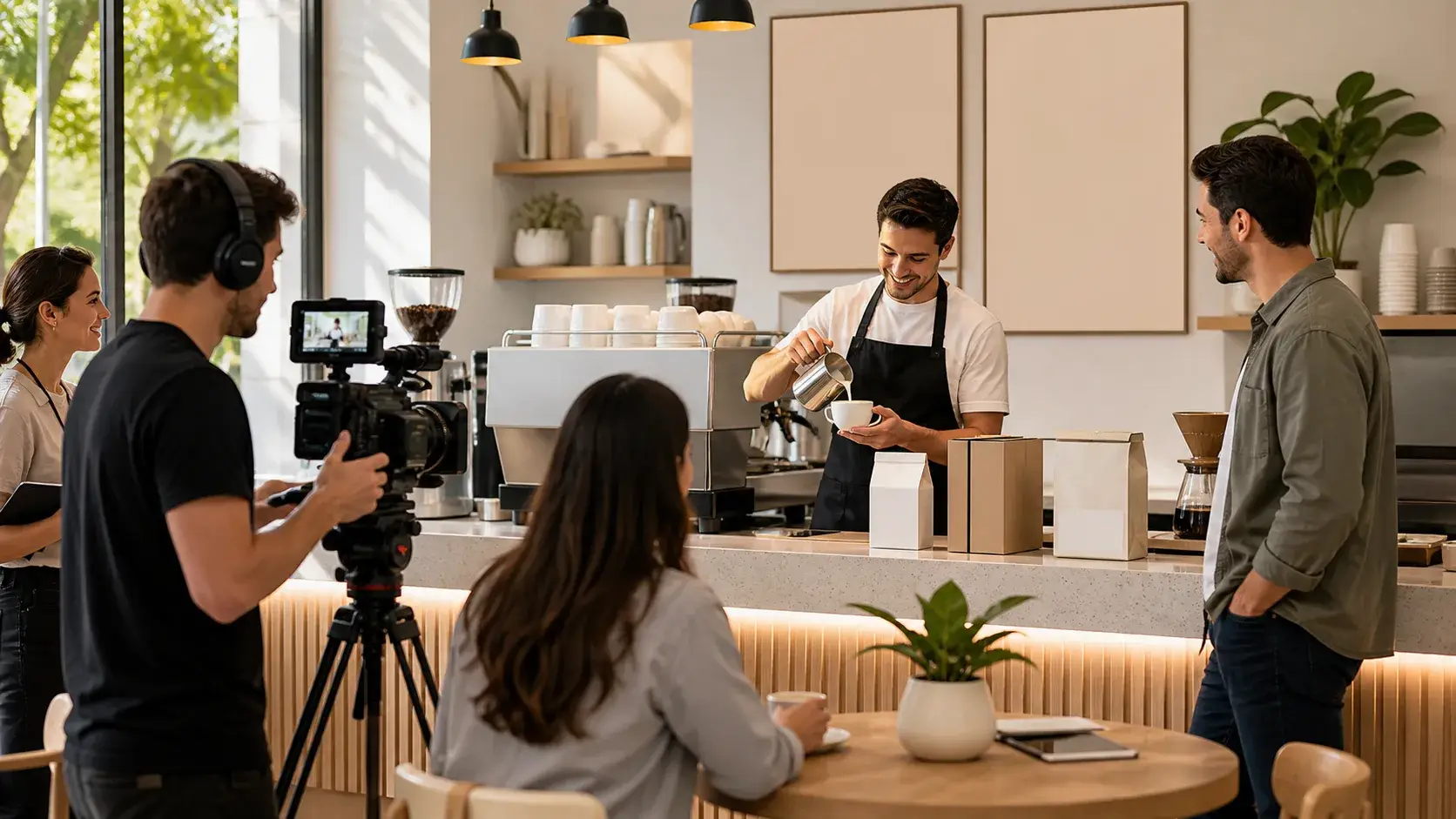
Film productions often look smooth when we’re watching them back. The edit is clean, the people on screen are confident, and every shot seems to fall into place without effort. But what we don’t see is the long stretch of work that happens before, after, and around those final moments.
The truth is, film productions rarely feel simple while they’re happening. Even short shoots involve layers of planning, problem solving, and decisions that stay tucked out of sight. From the outside, it might look like everything went off without a hitch. But behind every smooth video is a team making constant adjustments to keep things moving.
Planning Comes First
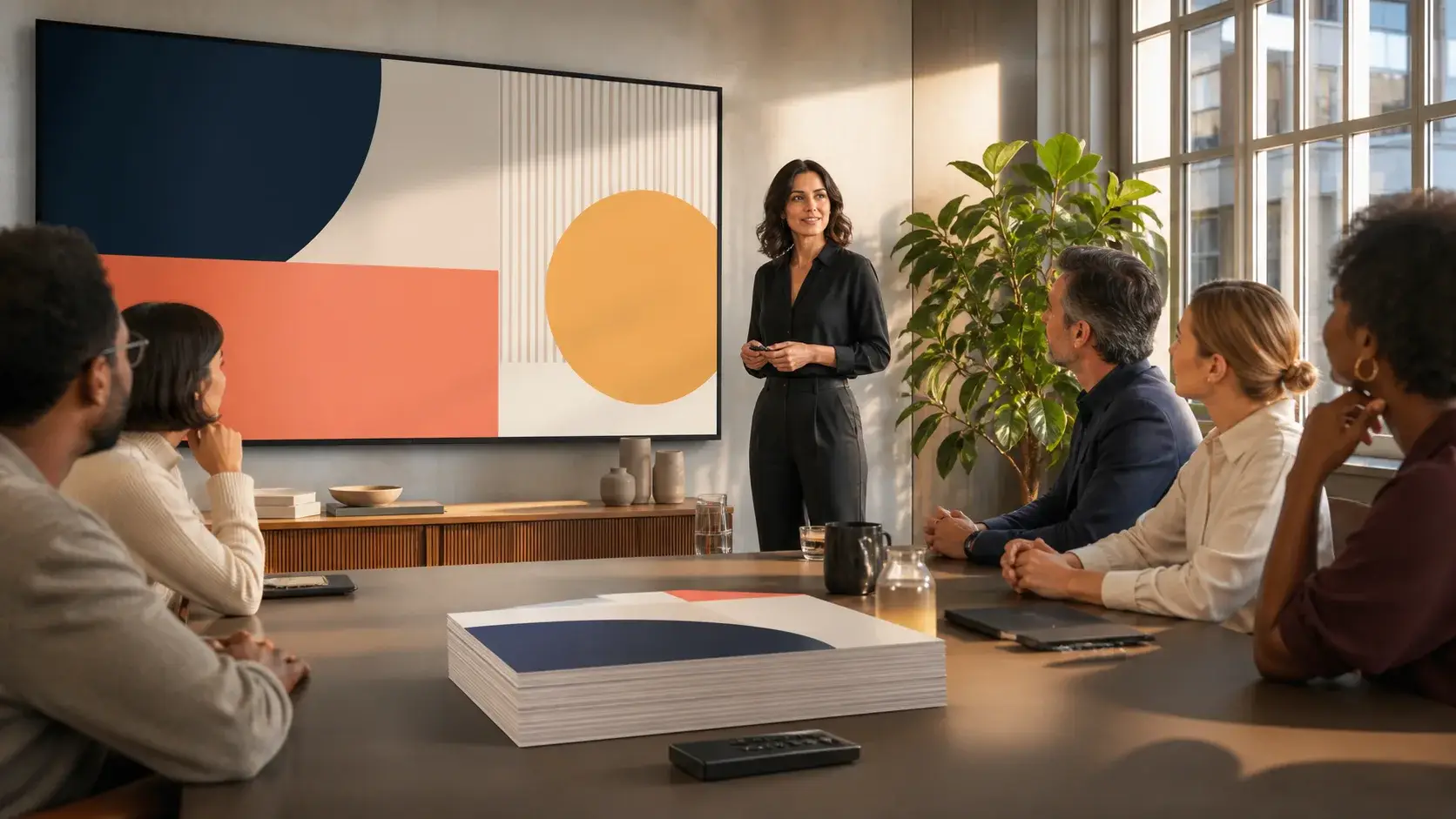
A lot of the hard work starts long before the camera rolls. What most people think of as the start (lights on, sound checked, and someone saying their first line) is actually halfway through the process. The early stages lay the ground for everything to come.
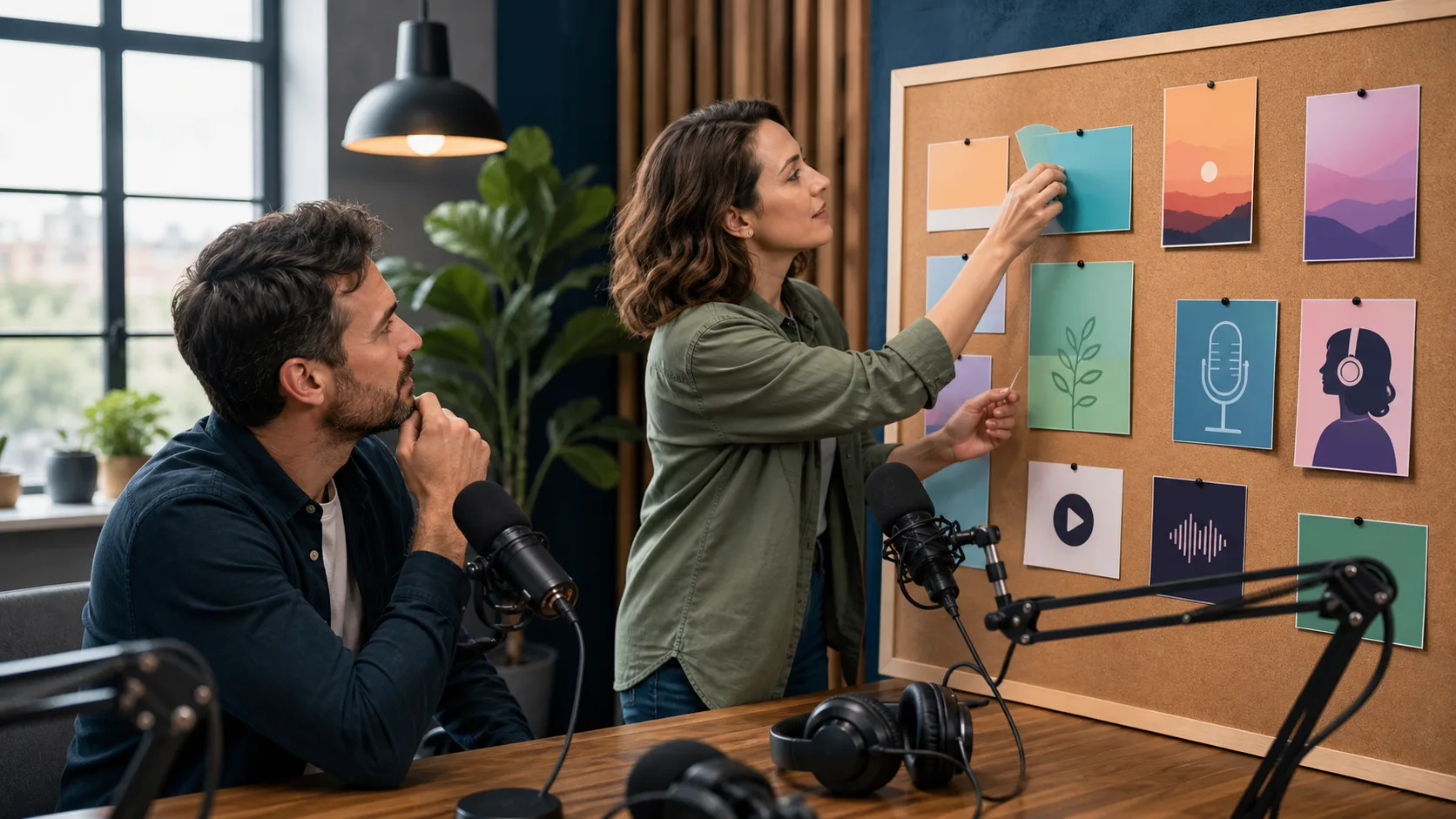
- We begin with scripts and outlines so we know what we’re trying to say
- We scout locations to check for sound issues, lighting concerns, or space problems
- We list out every shot beforehand to keep filming focused and efficient
All this planning doesn’t just keep things on track. It lowers the chances of something getting missed and gives us room to handle surprises when they show up. It’s quieter work, and often less visible, but it holds the rest of the filming together.
In these earliest steps, our main goal is to make sure everyone feels ready and nothing is left to chance. Sometimes, we spend hours just talking through the sequence of a shoot, tweaking the schedule, or double-checking the props list. Every minute spent here means one less problem to solve later.
Every new project has its own needs and quirks, so our plans often shift up until the last minute. We find that, by staying flexible and keeping the groundwork solid, we can handle tricky situations when they come up. This preparation does not guarantee perfection, but it makes small issues easier to handle.
Things Don’t Always Go to Plan
No matter how much time we spend planning, things can shift. A location might get noisy. A key prop might be left behind. Weather can turn in a blink. It’s frustrating sometimes, but it’s also part of what keeps the job interesting.
When plans change, we stay ready to adjust:
- We swap shots around to suit shifting light or available space
- We find backup locations or shoot around the issue until later
- We make decisions quickly so time isn’t lost waiting for a perfect fix
It takes experience to keep moving without panicking. The goal isn’t to make sure nothing ever goes wrong. It’s to stay calm and think clearly when something does.
Sometimes, the best shots happen after an unexpected change. We have learned to treat each curve ball as a chance to spot something new, adjust our plan, or try a different angle. Part of our job is to keep eyes open for these opportunities, even when things feel rushed. We work together, communicate quickly, and trust each other’s instincts to find solutions as we go.
Problems during a shoot are a normal part of the process. By keeping the atmosphere calm and the team focused, we avoid losing time or energy to stress. We remind ourselves that a perfect shoot is rare, but a successful one is possible by handling each hiccup with care and quick thinking.
It’s Never Just One Take
What ends up on screen usually looks effortless. But most of the time, that polished version is take five, ten, or even twenty. It’s common for someone to forget a line, lose their rhythm, or sound just a bit unsure. That’s why we build in time for repeats.
We also adjust more than just what’s being said:
- Lighting often needs shifting to match the mood or cut glare
- Sound levels are tweaked to catch a softer voice or avoid echo
- Framing gets adjusted to fit new props or focus attention
Each small change helps the rest of the film sit better together. What looks natural in the end is often the result of many tiny fixes stacking up quietly behind the camera.
Our crew keeps a close watch on every detail as scenes play out. We quietly note what is working and what isn’t, and then make tiny adjustments for the next take. Sometimes, only the smallest thing needs to be changed, the tilt of a lamp, the distance between two people, the backdrop colour, to make the shot work.
It may seem like a lot of stops and starts, but each new attempt brings us closer to an edit that feels genuine and smooth. Knowing when to keep going, when to coach, and when to call it done is a skill that comes with experience. Every extra take is an investment in the final result.
Editing Transforms Everything
Once filming ends, we’re only halfway done. Editing is where all the earlier pieces come together and get cleaned up into a version that actually feels like a story.
- We cut the best clips together to keep things tight and clear
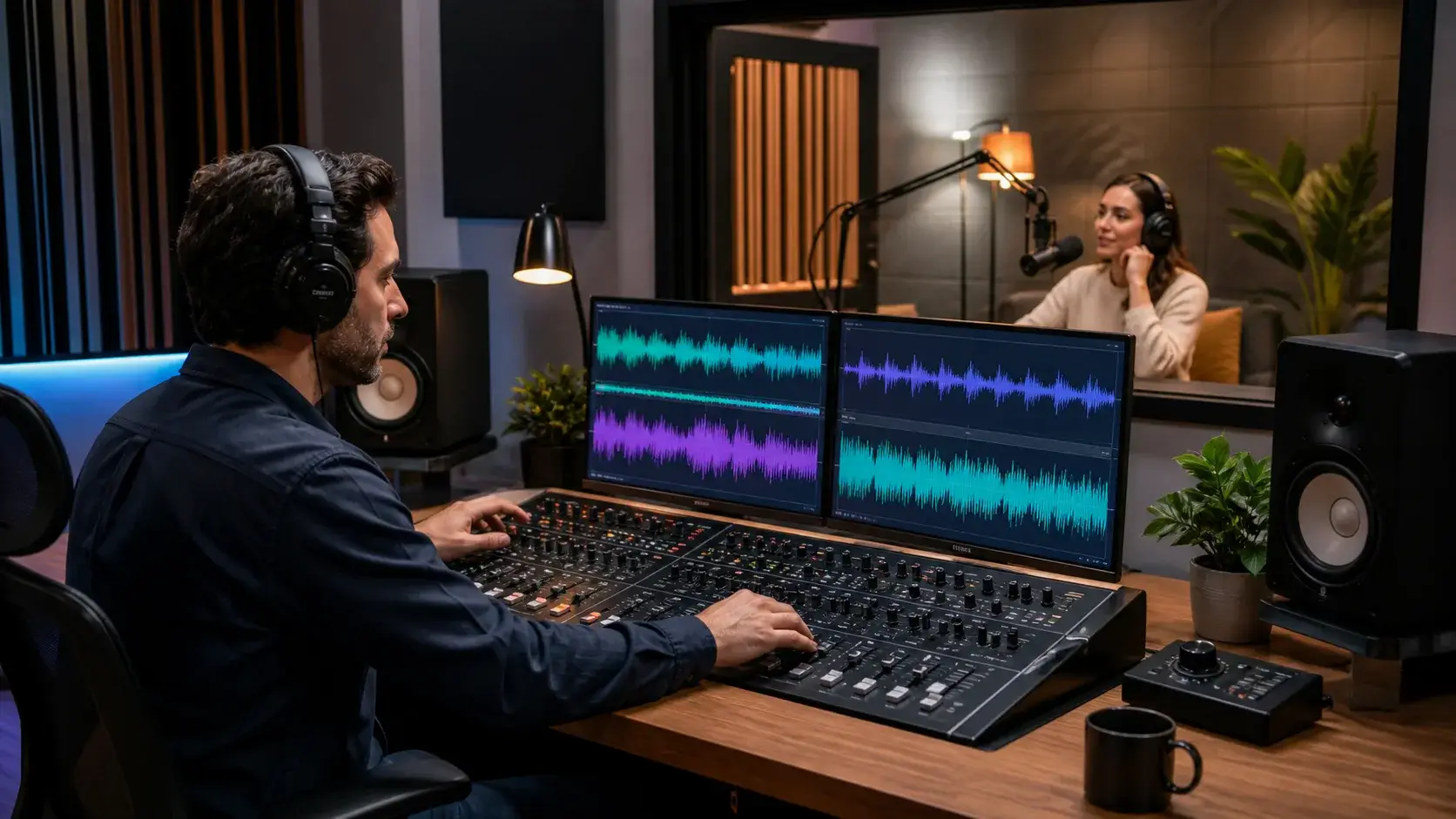
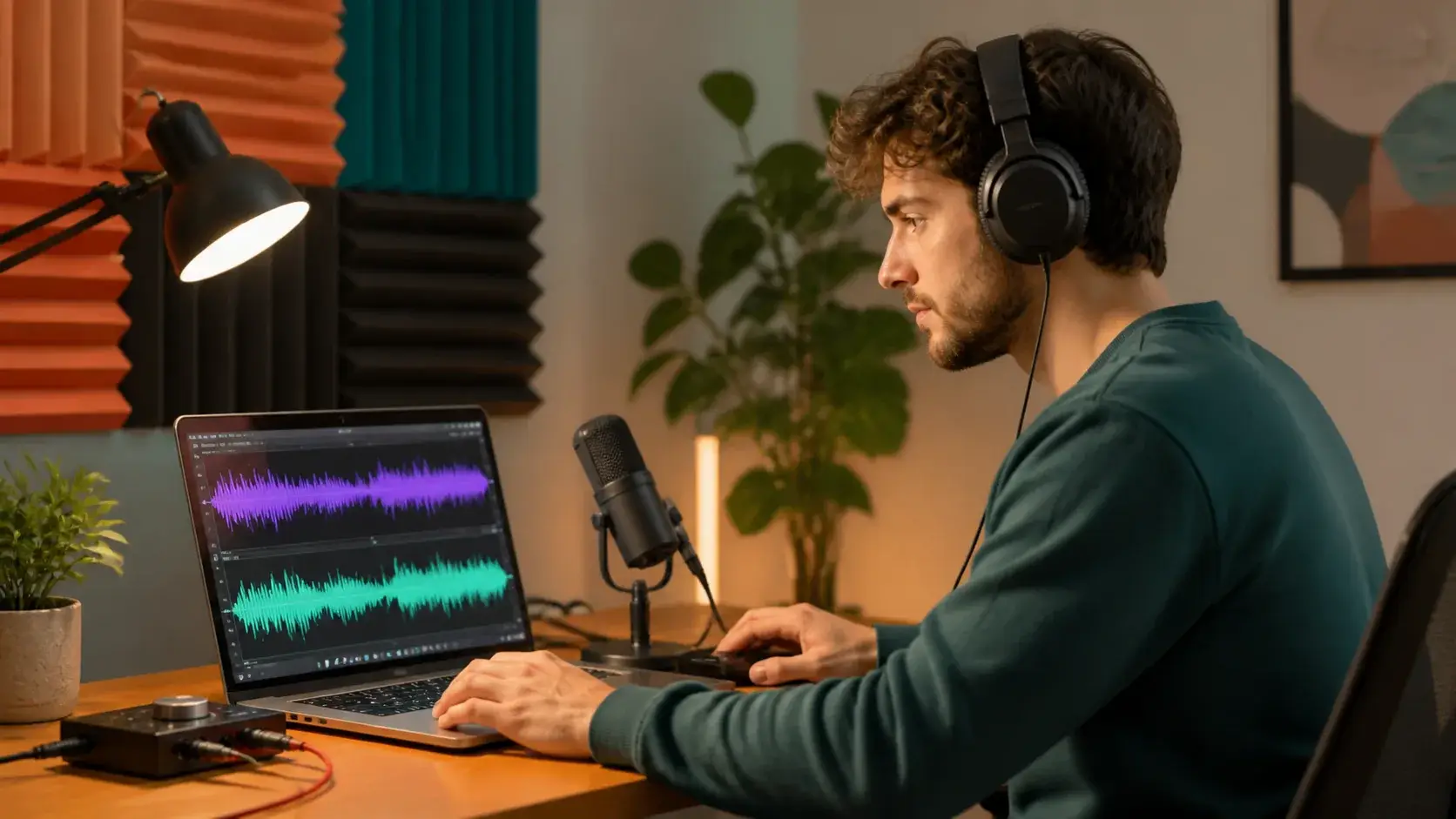
- We fix sound to smooth out any bumps or distractions
- We adjust colour so everything feels consistent and watchable
This stage takes time. Sometimes even more time than the filming itself. What started as a bundle of separate takes slowly becomes one piece that makes sense, sounds strong, and feels calm to watch.
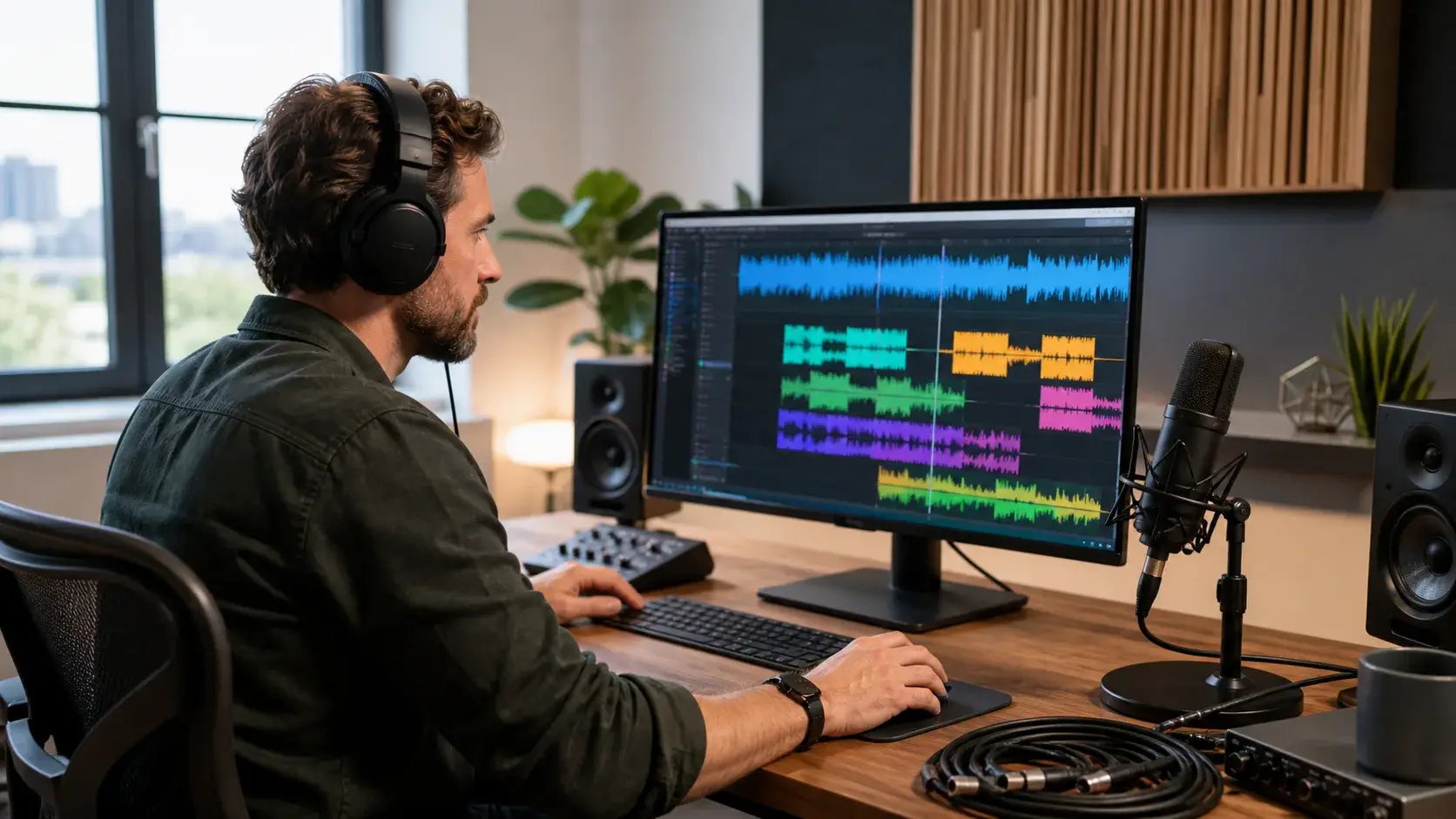
Editors don’t just piece the clips together in order. They shape the flow, listen for gaps, and fine-tune the pace so it keeps viewers interested. If a scene feels too slow or cluttered, we trim or rearrange it. If a transition feels rough, we smooth it out or add a detail to tie it together.
Sound editing is another hidden craft. It’s not just removing background noise but balancing voices and music so nothing feels harsh. Clean audio is one of the things viewers won’t always notice, but they’ll feel it if it’s off. Likewise, colour grading isn’t about making things bright, it’s about finding the right look so every scene feels like part of the same story.
All of these pieces, adjusted in layers, help the final film blend seamlessly together. That’s why editing is often the longest part of any project, and where so much of the “effortless” feeling actually gets built.
Simple to Watch, Complicated to Make
When people watch a finished project, they often don’t see the scattered gear, the last-minute changes, or the quiet planning it took to get there. That’s part of the goal. We want the final version to feel easy, like it was meant to look just like that from the start.
But behind that ease is a long stretch of problem-solving, preparation, and effort that no one ever sees. Film productions only feel smooth in the end because we take the time to fix the rough edges, long before the work ever reaches a screen. That’s what makes the final cut feel good to watch. And that’s what keeps us coming back to the process.
The more experience we bring to a project, the smoother the process feels, both for the crew and for those on camera. We know what details to watch for, what warnings to heed, and when to keep things moving or stop and refocus. This eye for detail pays off at every stage, keeping things running well even when the day is full.
After a full day’s work, the tired feeling is real, but so is the pride when each part finally fits together. We know that smooth videos do not just appear, they are carefully put together from small moments and choices made on purpose.
From Studio to Screen, Every Detail Matters
At On Air, every film production is managed by a dedicated team, from planning and studio hire (or location shoots in London and beyond), to editing and delivery for web, social media, or internal film. We help coordinate each step so nothing slips through, making an easy watch possible for any project size.
We work closely with our clients at every turn, checking in often and making sure communication stays open. It’s this attention to each part, pre-shoot checks, on-set guidance, and thoughtful post-production, that makes the entire journey smoother for everyone. Big or small, we bring the same care to handling the details so you can focus on sharing your message.
All the way from the first plan to final delivery, we keep the process steady, transparent, and built around what fits each project’s needs. Our role is to make things as simple as possible for you, knowing how tricky the work can really be behind the scenes.
Ready for Real Results
Film productions are about more than cameras and lights. They’re built on time, effort, and a team focused on getting details right from the start. No matter your project size, if you want a production process that keeps challenges off your plate and results that look as good as they feel, working with true professionals helps you get there.
At On Air, we believe good work in film doesn’t happen by guessing or rushing, it comes from thoughtful planning, creative adaptation, and giving every stage, even those behind the scenes, the attention it deserves. Our team takes the time to ensure each detail is just right. When you need support from people who truly understand how detailed film productions can be, we’re here to partner with you. Let’s talk about your project and see how we can bring your ideas to life. Reach out today to start the conversation.