Some podcasts stick with people for weeks, months, or even longer. They become part of the walk to work, the weekend clean-up, or the quiet hour before bed. When we think about what makes good podcasts work, it’s not always about big topics or high-tech gear.
Most of the ones we remember feel simple and steady. A voice that feels easy to listen to, a pace that doesn’t feel rushed, and a message that feels just clear enough. Good podcasts often find these small rhythms and hold onto them, which helps people come back again and again.
What Keeps People Coming Back to the Same Podcast
When listeners return to the same podcast week after week, it’s usually for reasons that feel familiar and very human. They’ve gotten used to a certain tone, timing or way of speaking that makes the show feel like part of their week. That kind of connection doesn’t happen by accident.
- The way the host speaks matters more than people might think. A calm tone, clear words, and a steady pace make the show feel warmer and easier to stick with.
- People enjoy the feeling of knowing the voice on the other end. The podcast becomes something personal, like a small check-in with someone they trust.
- When episodes land around the same time each week or month, it gives listeners something to look forward to. Predictability creates a small sense of comfort, even if the rest of the day is busy.
That blend of tone, format and timing gives the podcast a kind of shape people can settle into. Once it becomes a habit, it’s easier to follow, share and remember.
Why Simple Stories and Topics Work Best
It might seem like a smart idea to keep adding new layers, deep dives or complex takes to every episode. But often, the best podcasts are the more straightforward ones. When stories feel simple, listeners are free to focus on what’s actually being said without getting lost.
- Sticking to everyday ideas or light topics helps keep things grounded. Simple doesn’t mean boring. It just means easier to stay with.
- Listeners are more likely to stay connected when they can see themselves in the stories. Small moments, a chat with a neighbour, a walk in the park, can feel just as meaningful as big topics when told clearly.
- It’s easy to lose people when a show wanders too much. If there are too many tangents or unexplained thoughts, listeners start tuning out, even if they don’t mean to.
Good podcasts trust the story to carry the weight, without having to dress it up. The clearer the idea, the stickier it tends to be.
Sound That Doesn’t Get in the Way
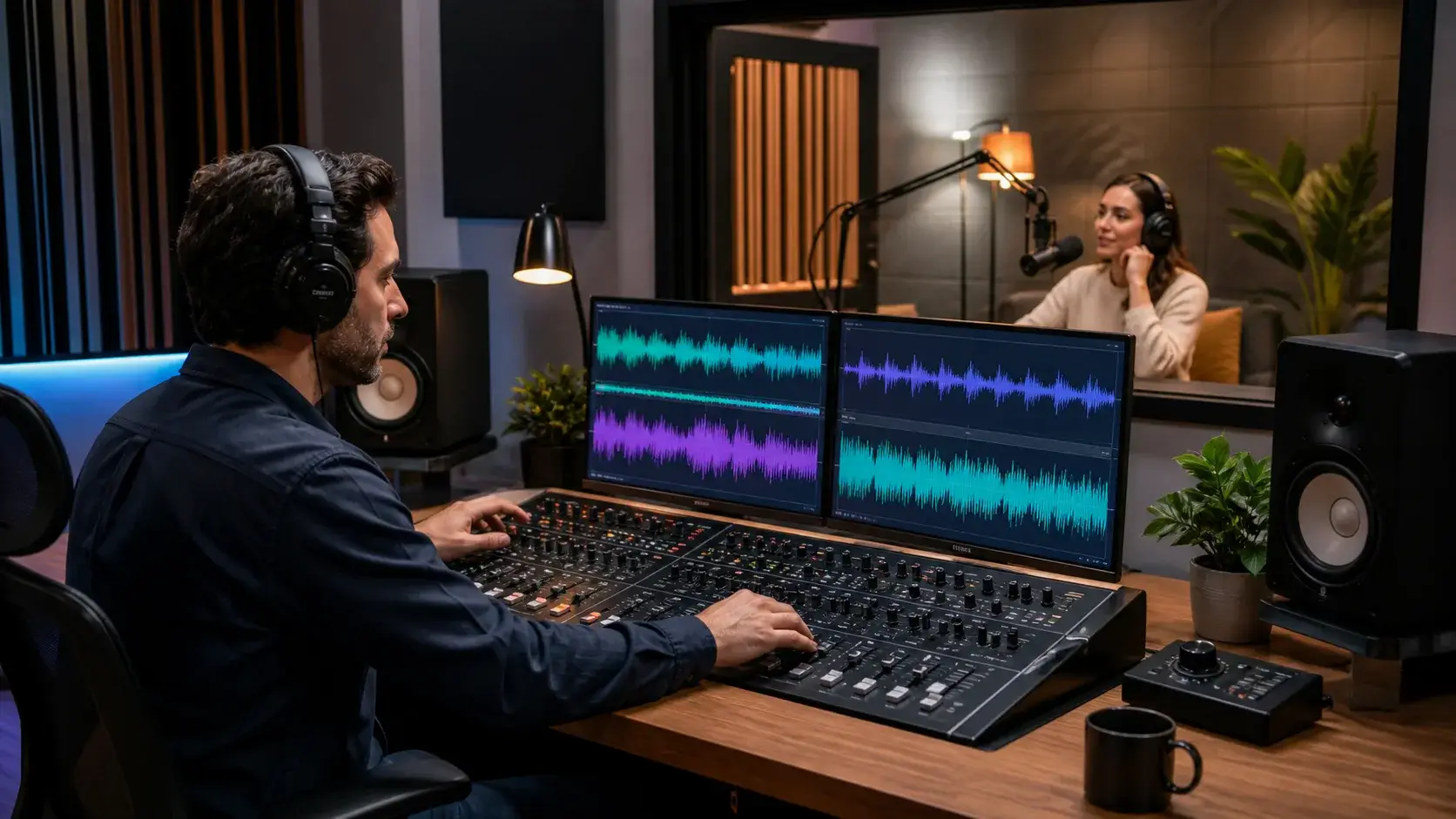
Nothing pulls someone out of a moment faster than scratchy audio or too much noise in the background. We don’t always notice when sound is clean and smooth, but we do notice when it isn’t. That’s why the audio part of good podcasts deserves just as much care as the words being spoken.
- When the audio sounds clear and warm, it becomes easier to pay attention. Listeners don’t have to work hard to hear what’s being said.
- Light sound choices like a low bit of music or a short pause between thoughts help add feeling without being distracting. These bits support the content but never take over the moment.
- Perfection isn’t what keeps people tuned in. But clean enough audio that doesn’t slip or pop helps hold the listener’s focus right where it needs to be.
When sound gets handled properly, it fades into the background, which is exactly where it should be. That space lets the listener focus on the story rather than the speaker’s mic or the noise outside the window.
The Quiet Power of Consistency
Every time a podcast shows up when expected, it feels like a quiet promise kept. Consistency builds trust, and over time, that trust turns into habit. It’s one of the clearest signs that something was made with care and not rushed.
- A podcast that sticks to the same day or format slowly becomes part of a person’s rhythm. That slow layering matters more than people realise.
- When the tone stays the same, calm, curious, light, listeners get a sense of what to expect. That comfort makes it easier to return without hesitation.
- Listeners who feel that dependability are more likely to talk about it, mention it in a chat, or pass it along. Not because they were asked to, but because it feels like something worth sharing.
Sticking to a pace doesn’t mean getting stuck. It means moving with intention. The trust built through consistency makes a good podcast feel more like a regular visit than a performance.
Staying With Listeners Long After the Last Episode
Some podcasts keep playing in people’s heads long after an episode ends. It might be a small story, a warm laugh, or one thoughtful pause that shows up again days or weeks later. This is the kind of staying power that comes from care, not hype.
- A well-told story or a simple line can stay with someone, even if they forget the name of the show. That kind of quiet impact builds slowly.
- We’ve all had a moment where something we heard in a podcast comes back up unexpectedly. A thought while travelling. A feeling during coffee. That’s how good podcasts work, without pushing too hard.
- When the sounds and words feel steady, they take root. A listener might stop tuning in for a while, but they’ll likely come back. And when they do, those same familiar patterns will still be there, waiting.
This kind of slow connection doesn’t ask much. It just shows up, episode by episode, until it becomes something the listener doesn’t want to miss.
Home for Podcasts That Last
On Air’s studios in Central London are designed for podcasts that need professional sound, the right equipment, and a team who can guide you from idea to launch. Whether recording a one-off interview or a full series, we help hosts create shows that feel genuine and easy to return to, with editing and post-production to keep each episode clear.
Pace and Presence, Episode After Episode
Making a show that feels fresh and reliable isn’t about energy or trend chasing. It’s about listening and putting the right kind of care into each detail, from original recording to the last review. That’s what helps build a show that fits into busy days and sticks around.
Creating the kind of podcast people return to means paying attention to every detail, from sound to atmosphere. We’ve experienced firsthand how the right tone, structure, and consistency help shape something listeners truly anticipate. Those dependable qualities often make good podcasts memorable long after louder, trend-driven shows fade away. At On Air, we know how to nurture podcasts so they feel natural, focused, and compelling each time. Ready to make your show stand out and endure? Get in touch with us today.