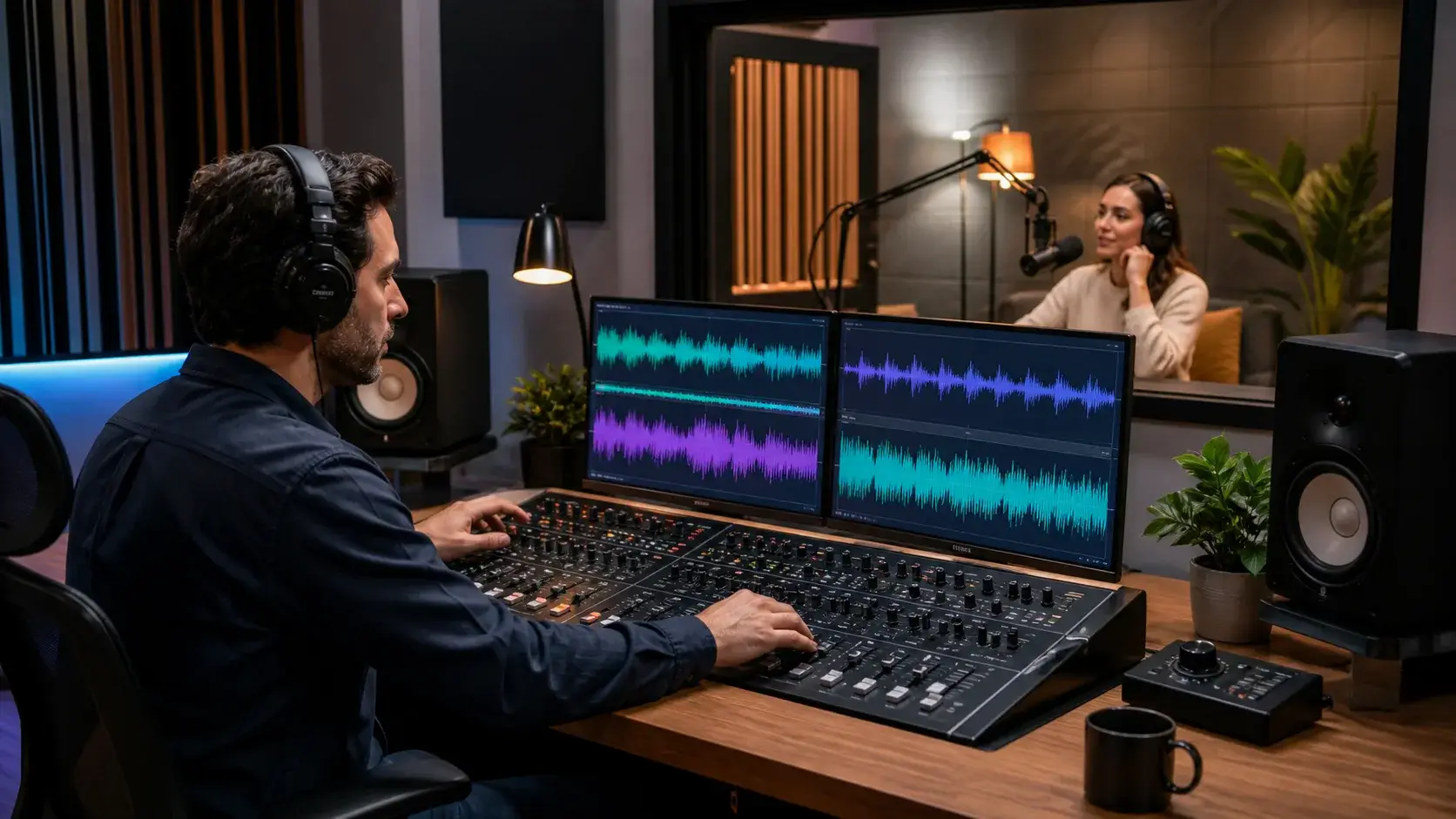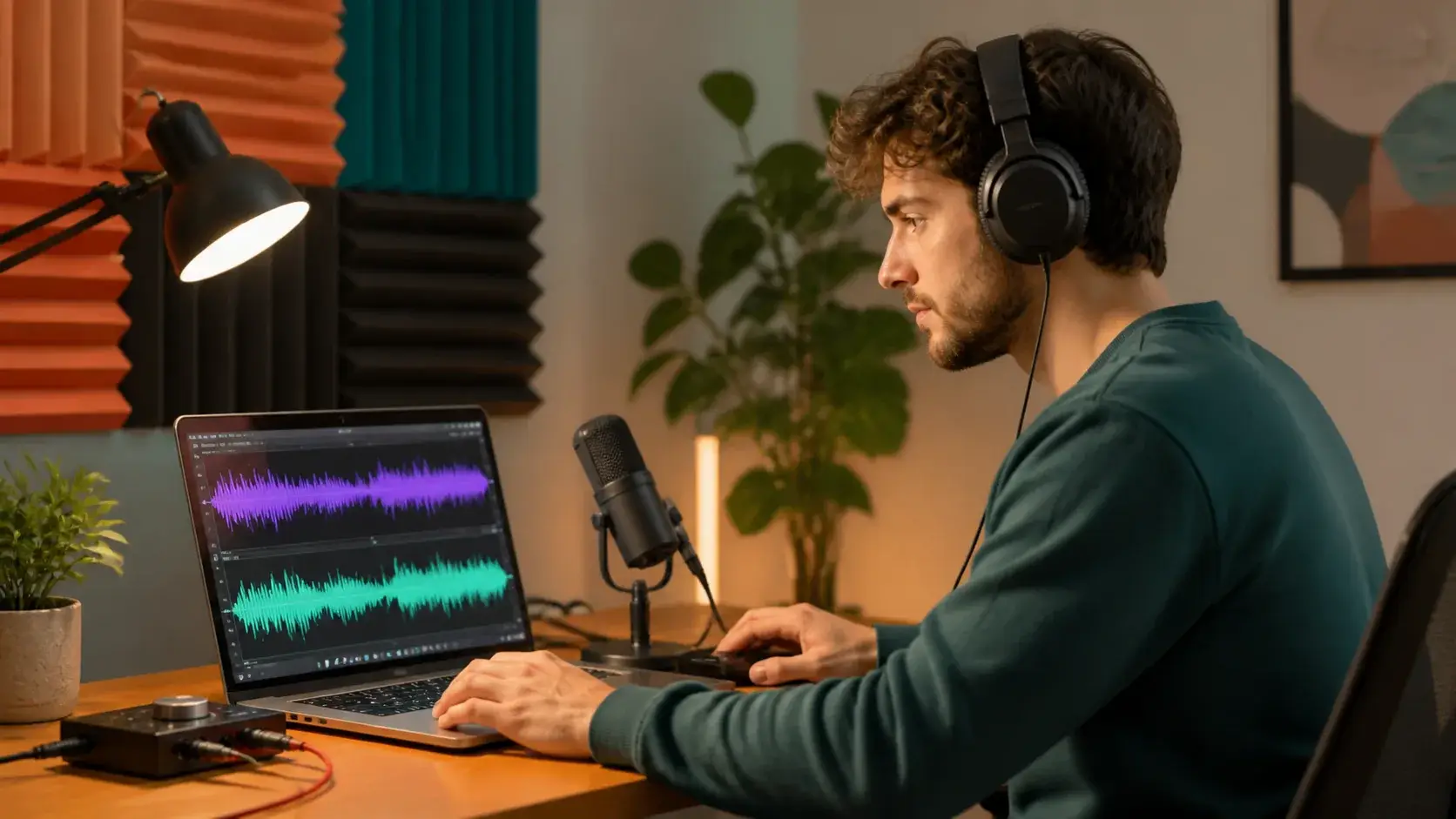
A lot of people assume that podcast recording needs a big studio to sound right. But that’s not always the case. It’s now common to find hosts and guests working from spare rooms, home offices, or anywhere quiet enough for clear sound. With a bit of prep and the right setup, even smaller spaces can deliver solid results.
We’ve learned that good podcast recording isn’t really about the size of the room or how expensive the gear is. It comes down to planning, comfort, and choosing what fits your needs. Whether you’re just getting started or figuring out how to work without a full studio, it’s possible to get smooth, clear recordings that still feel natural.
Getting the Basics Right from Anywhere
It doesn’t take much to get a good podcast set up. What matters is getting the basics in order. When you get those right, the space around you becomes easier to work with.
- Start with a microphone that matches the style of your show, one that picks up well without dragging in too much background sound. You don’t always need the fanciest option, just one that fits your space.
- A good pair of headphones helps you check for sound issues as you go. You’ll hear noise and balance more clearly as you record.
- The quieter the room, the better the sound. You don’t need total silence, but it helps to close windows, turn off anything that hums, and pick a time when things are calm around you.
A clear plan before you start keeps things focused. It helps push past small distractions and makes the time on mic feel more natural, which leads to a smoother edit later on. Even jotting down a few notes or having a simple outline gives some shape to what you’ll say. The clearer you are at the start, the more relaxed you’ll be during the recording.
Creating the Right Recording Environment
The space where you record will shape the way your audio sounds more than most people realise. Even without a studio, you can still get clean sound just by thinking through your environment.
- Soft furnishings like rugs, curtains, or cushions help soften the sound and reduce echo. The aim is to keep your voice from bouncing off hard walls.
- Where you place the mic does matter. It should sit close enough to your mouth so your voice sounds full, but at an angle where noises like breathing or typing don’t get picked up.
- Keep distractions low. Phones on silent, pets in another room, and your screen notifications off all help your head stay in the session.
Paying attention to your surroundings doesn’t just fix problems, it builds confidence. And when you’re relaxed, your tone sounds more genuine. It can also make a difference to check your setup a few minutes before recording, making sure nothing has moved and settings are still correct. That way, you avoid surprises and can focus completely on your words.
Working with Remote Guests and Co-Hosts
Plenty of podcasts now bring in voices from different locations. With the right setup, it doesn’t have to feel disconnected or awkward. A few steps can keep the pace and tone feeling just as sharp as if everyone were in the same room.
- Give your guests or co-hosts a quick rundown of what to expect. It helps if they know how long the session will take and when they’ll be speaking.
- Test tech early. Whether you’re using a browser-based tool or another recorder, checking it ahead of time lowers the chances of drama later.
- Video can help keep the flow natural. Seeing someone’s face on screen brings in the non-verbal cues that shape conversations, keeping things steady and clear.
When podcast recording includes remote guests, a bit of prep makes it easier to stay connected and keeps the quality high. Working with different time zones or busy schedules can add an extra layer to planning, but sending a calendar invite and a simple checklist ahead of time makes things smoother for everyone. Just a few clear instructions, like “sit close to your mic” or “wear headphones,” help cut down on small but common sound problems.
What to Do After the Recording Stops
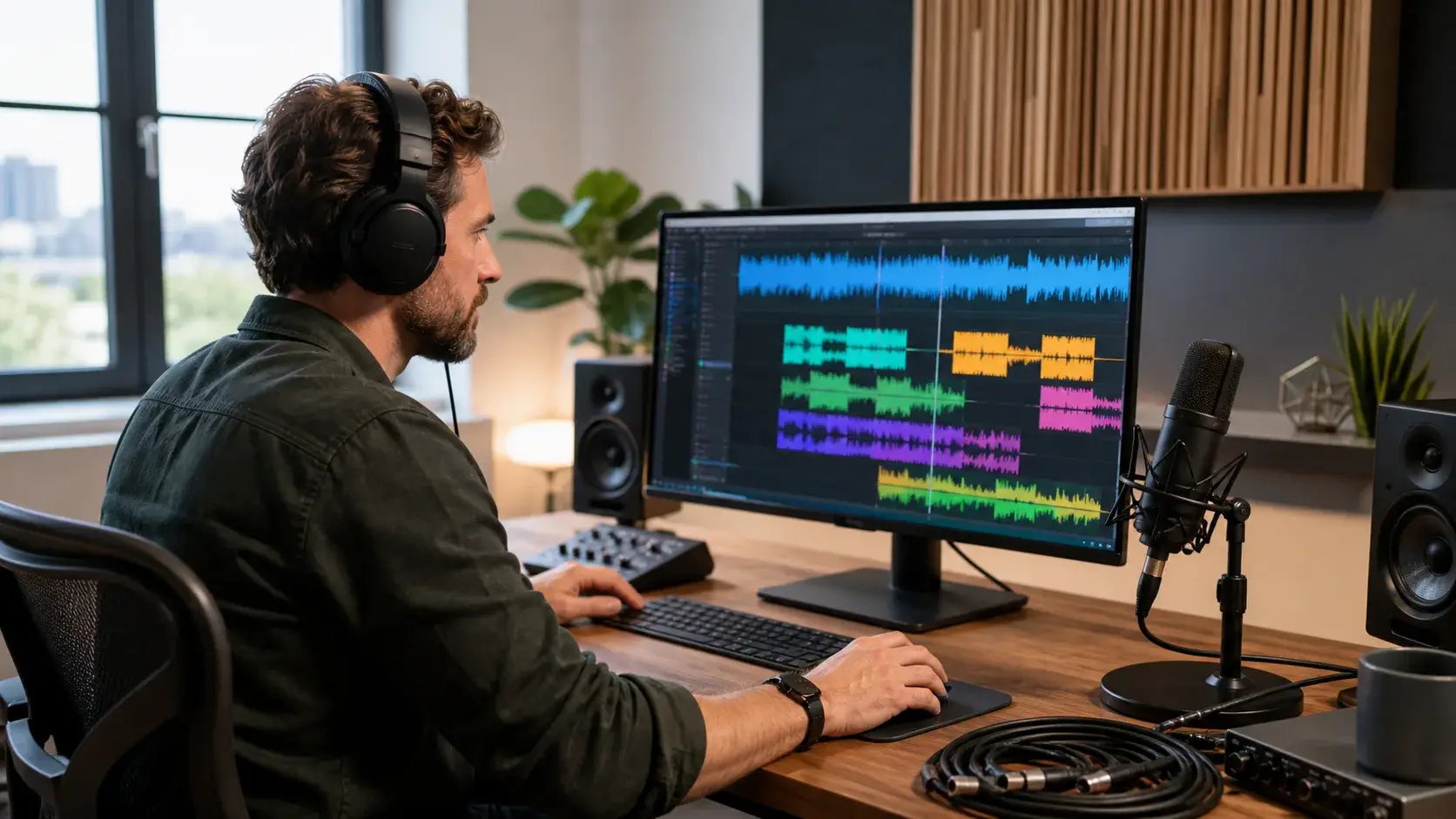
Once everything’s been recorded, the real work starts: sorting through the audio and shaping it into something listeners will enjoy. Editing is what pulls it all together, even more so when you’re not recording in a studio.
- First up is reviewing the audio. This means listening back to spot anytime someone talked over another or a sound crept in mid-sentence.
- Any filler words, long pauses, or sections that drift off-point can be trimmed. It’s not about cutting the speaker’s personality, it’s about making the message clearer.
- Balancing the volume between speakers makes listening easier. If one person comes across as quiet, we raise their level slightly so it all feels even.
Clean and steady edits build trust with your audience. People may not notice background issues straight away, but they’ll notice when things flow easily. After editing, it’s good practice to save a backup of your finished audio and your source files, just in case another edit is needed or you decide to reuse a section in the future. Thinking about episode titles and show notes at this stage can also make publishing and sharing easier later on.
Why a Great Show Doesn’t Need a Big Studio
A studio can help with sound control and speed for sure, but it’s not the only way to record something worth listening to. With focus and the right steps, you can still make a podcast sound polished without loads of extras.
We’ve seen that results come from keeping your process sharp. A calm space, reliable gear, and a clear plan often do more than a big room full of buttons ever could. When every part of your setup is working together, there’s less stress, and you can focus on what actually matters, saying something people want to hear. Being comfortable in your own space also lets you bring your real personality forward, which is what draws listeners in week after week. Over time, as you get more familiar with your gear and your space, your recording process will become quicker and even less stressful.
Remote and Studio Support for Every Podcaster
At On Air, podcasters can record remotely or in Central London studios with expert help and professional broadcast gear. Our team assists with setup, editing, remote guest management, and even uploads, no matter where you are recording.
Podcast Quality Is About Process, Not Just Place
In the end, good podcast recording doesn’t come from having everything. It comes from knowing how to use what you’ve got. And when it all clicks, your listeners stay with you.
Want to make your sound clearer, streamline your setup, or record guests more easily from anywhere? We understand every podcast has its own rhythm, and sometimes a few small tweaks can make all the difference. Whether you’re working from home or collaborating online, our team is here to guide you to the best approach for your needs. To see how we support better podcast recording, contact On Air today.