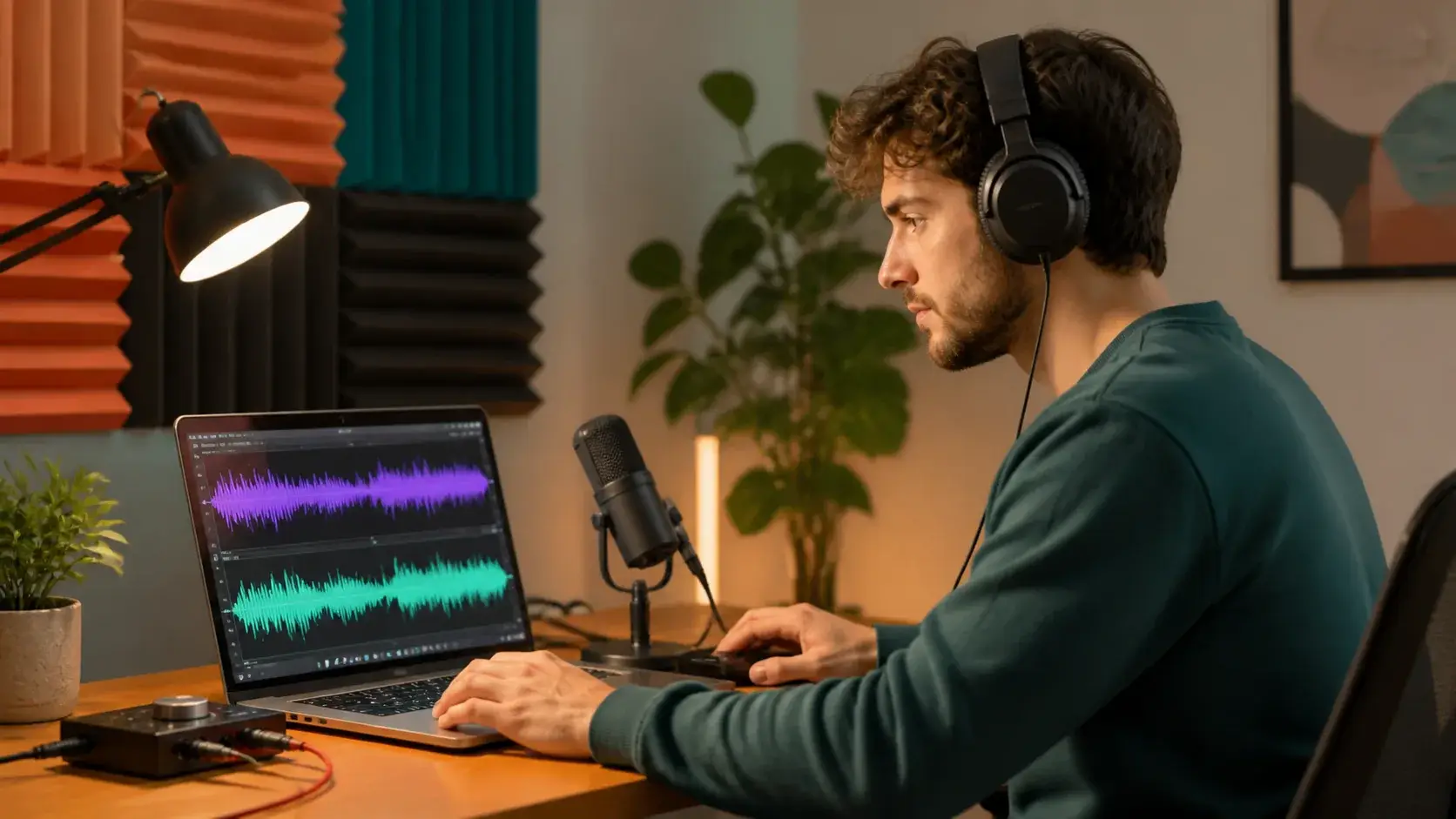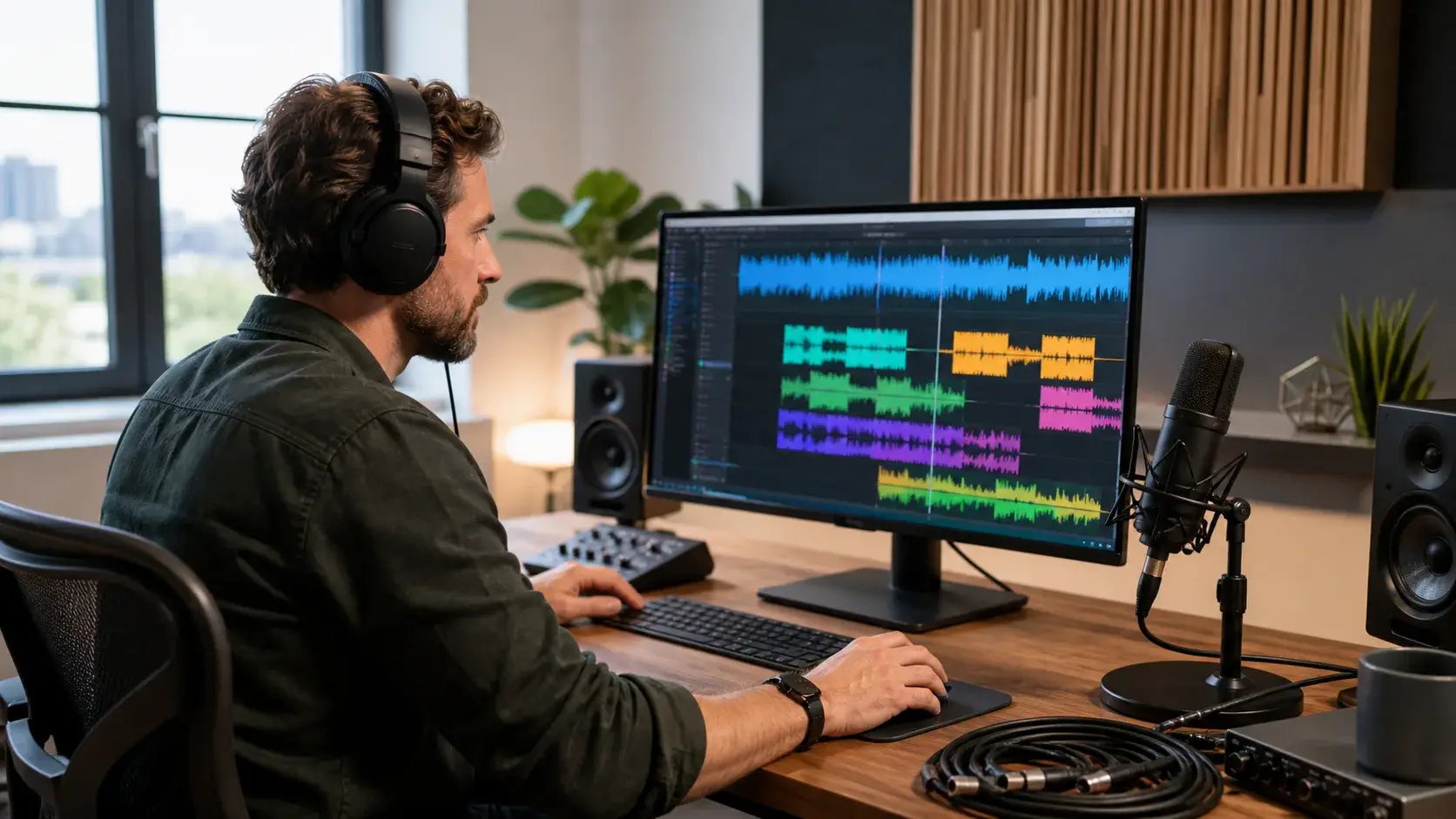
Starting a podcast is a big step, and recording that first episode can feel like a win all on its own. But once the talking stops and the editing begins, things can get tricky fast. Podcast editing often turns out to be the part that takes the most time, care, and thinking.
It might seem like a simple clean-up job at first. Just cut the ums, smooth the gaps, fix the volume. But editing does far more than tidy things up. It decides how a show feels, how clear the story comes through, and whether a listener gets pulled in or zones out. Done well, editing carries the message. Done poorly, it can pull a show apart.
Why Editing Can’t Be an Afterthought
We’ve seen how easy it is to spend all the energy on getting the recording right. You line up guests, test the mics, lock down the topics. By the end of that, editing starts to feel like just one more task to finish. But treating it like a last step usually shows in the final cut.
- Editing often has to fix problems carried over during recording. A mic that sat too far away, someone speaking over another person, background noise you didn’t notice until later.
- If the chat runs long or drifts off course, editing becomes a rescue job. You’re not just shaping pace anymore, you’re trying to recover flow.
- The way an episode is structured afterwards can shift the whole message. A tight edit can keep people engaged. A clunky or rushed one might lose them early on.
Editing needs time and intention to work well. It’s not just the end, it’s part of the core.
Common Challenges That Come Up
Even with decent audio and a clear topic, editing can be harder than expected. There’s no formula, and new editors often hit the same snags again and again. One of the biggest? Knowing what to leave in and what to take out.
- It takes a focused ear to choose the moments that matter. Most people have a few false starts or stray ideas that don’t need to stay in the episode.
- Background noise creeps in from surprising places: chair squeaks, rustling clothes, passing lorries outside a window. Removing it isn’t always simple.
- Filler words are everywhere. So are interruptions and people talking at the same time. Cutting them too carefully can leave things feeling stiff.
- It’s easy to over-edit. When every pause is trimmed and every line feels rehearsed, the episode might sound clean but lose its natural flow.
Getting the balance right between polish and personality isn’t automatic, especially for newer hosts. That’s why many shows sound a bit forced at the start.
Why Good Editing Needs Both Skill and Story Sense
Clean audio matters, but clean audio alone doesn’t make a listener stay. The best podcast editing finds the rhythm of the episode, not just its shape. That’s where skill and story sense meet.
- Smart editing keeps the story clear without spelling out every step. It gives the listener space to follow along, not just hear sound.
- Great editors are active listeners. They pick up on when energy dips, when a guest lights up, or when the host hits the heart of the point.
- Sometimes it means leaving in a quiet laugh, a pause, or a moment of reaction that says more than words ever could.
- Editing needs a feel for emotion, not just speed. If everything runs too tight and perfect, it starts to feel flat.
We’ve learned that keeping the human side in matters more than smoothing every word. The trick is knowing what brings a voice to life, and what holds it back.
Tools Can Help, But They Don’t Do It All
There’s no shortage of software that promises to make editing easier. And yes, plenty of tools out there can help sort the mess. But even the best programmes need human input if you want the edits to feel right.
- Button clicks can’t fix a messy conversation. If an episode has no structure or clear message, software won’t find one for you.
- Using the same preset settings across every episode might save time, but it can also strip away the uniqueness from each one.
- No matter how fancy the filters are, they don’t know when to keep a four-second pause or when a voice crack makes a sentence stronger.
- Judgement and feel can’t be automated. Editing is not about removing mistakes. It’s about making the story feel true.
Tools support, they don’t lead. The editor still has to decide what the show should sound like, with or without shortcuts.
Sharpening the Edits, Elevating the Show
When a show sounds good, we often don’t notice the edit at all. That’s the aim. Good editing gets out of its own way. It helps you stay focused on what’s being said instead of how it was recorded.
- Strong edits shape the pace and keep the listener following without getting bored or distracted.
- A carefully chosen cut can carry the emotion of a guest story. A messy one can flatten it entirely.
- Editing is where the tone gets built, from the first second to the last few words.
It’s a skill that grows over time, and one where patience makes all the difference. The best edits often come from listening deeply, trying different cuts, and being willing to go back until it really fits.
Podcast editing often feels like the quietest part of the process, but it’s where everything comes together. When done with care, it sets the tone, shapes the message, and brings the experience closer to the listener. The learning curve can feel steep, but it’s one part of podcasting that’s worth every bit of effort.
At On Air, we provide support from planning and recording right through to editing and uploading. Our podcast production includes script help, interview coaching, structure advice, and editing for sound, show flow, and branded soundtracks. Podcast editing is where everything comes together, and getting it right can mean the difference between a forgettable show and one that truly connects with listeners. More than just software is needed to shape the flow and feeling of each episode, what matters is knowing what to keep, what to remove, and how to make every part sound authentic. We approach each project with care because we understand the effort that goes into recording. When you’re ready for support with your own podcast editing, our team at On Air is here to listen and help you achieve the results you want.