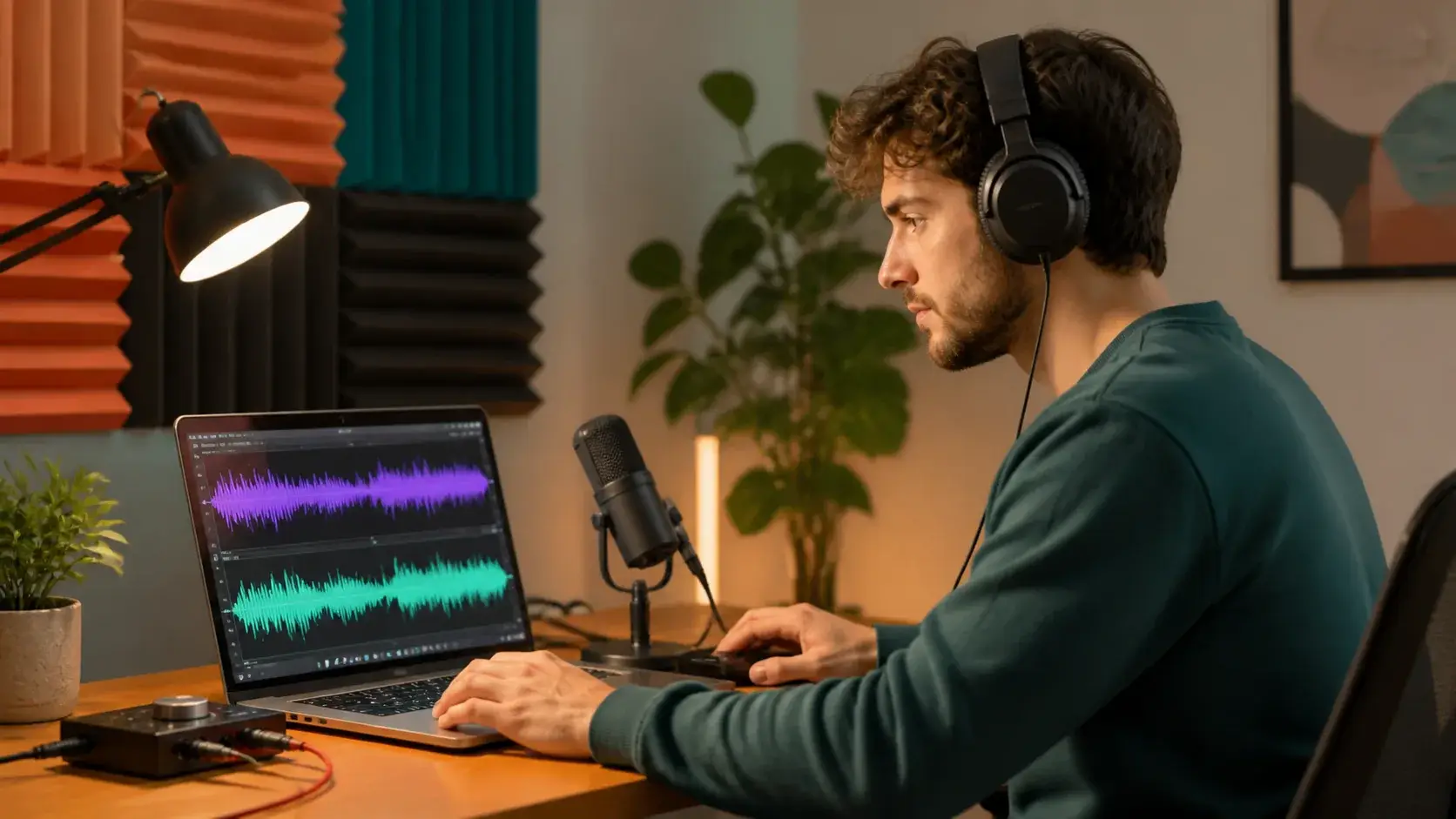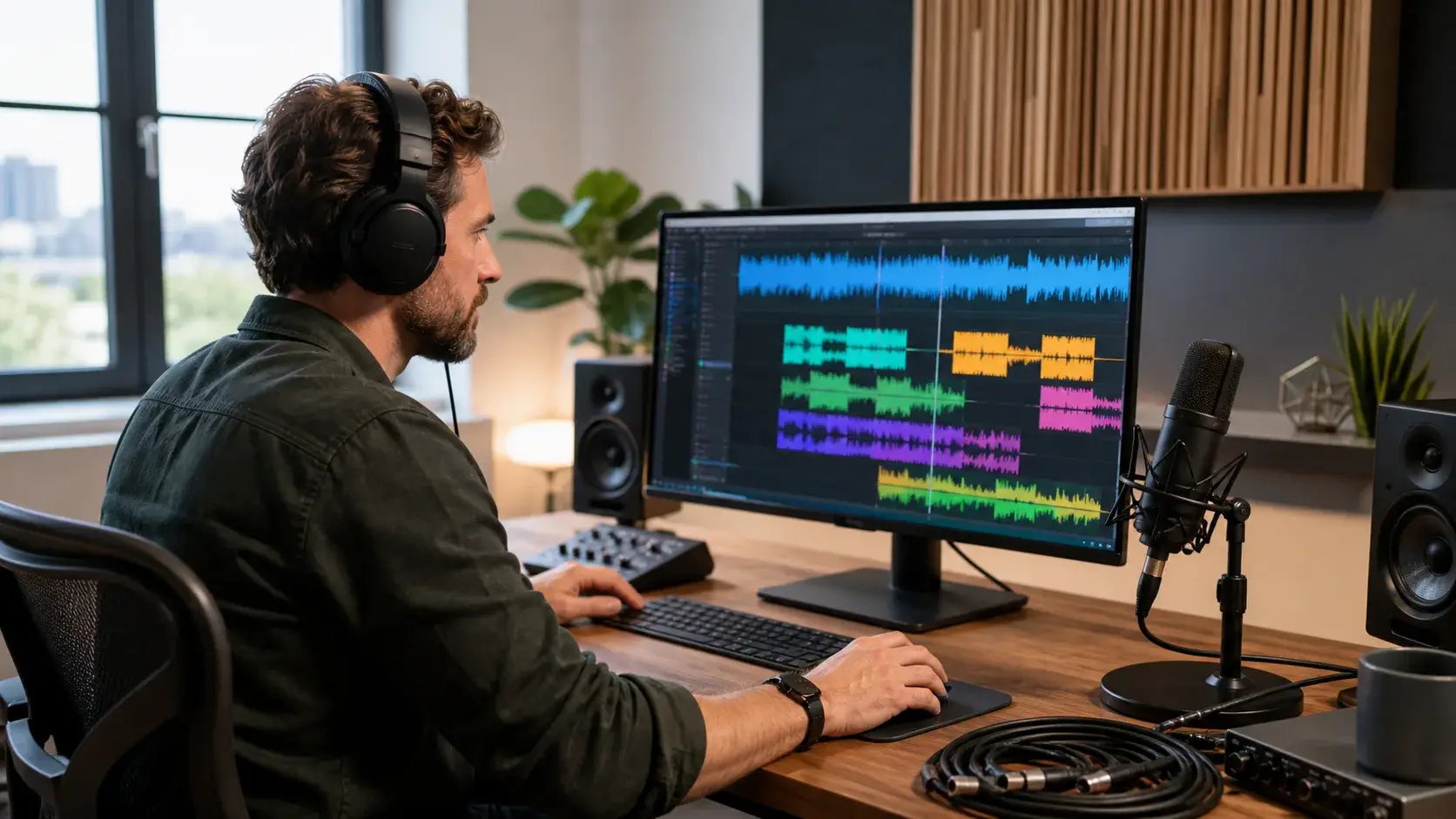
Starting a podcast from your living room has never been more common. You do not need studio mics or soundproof walls to share your ideas. Still, once the recording is done, things can get tricky. That is where podcast editing comes in.
Without studio tools, editing can feel overwhelming. You might be using free software or recording into your laptop mic, wondering why your show does not sound the way you imagined. The good news is, careful choices can make a big difference, no expensive gear required. Whether you are working from your bedroom, closet, or kitchen table, it is still possible to create a podcast that sounds clear and keeps people listening.
Keeping Your Sound as Clean as Possible
Good sound starts long before the editing stage. Even if you are working without much equipment, there are simple steps that make recording a lot smoother.
- Find the quietest space you can. A small, soft-furnished room is usually better than a big echoey one. Bedrooms work. Closets are even better.
- Shut the windows, turn off fans, and unplug anything humming in the background. These little sounds may not seem loud when you are talking, but they come through on a mic.
- Always wear headphones while recording. They help you hear exactly what the mic is catching. If something odd pops up, like a buzz or distant barking, you will spot it straight away and can fix it before you are stuck with it.
Being mindful of sound early on means less work later when it is time to edit.
Getting the Timing Right Without Studio Tools
Speaking naturally is important, but a bit of planning helps when you are editing your own audio. Small habits during recording can save you lots of time later.
- Try to speak clearly, with a steady pace. It does not need to be slow or stiff, just balanced. If you rush, it can be hard to clean up mistakes or split the audio into sections.
- If you make an error, pause for a few seconds and then start again. You can even clap once, this shows up on the audio waveform and helps you spot where things went wrong.
- Forget trying to be perfect. Editing is not about perfection. A clear, honest voice is more engaging than one that sounds over-rehearsed.
These habits will not just make editing faster, they will also help keep your episodes sounding natural and well structured.
What to Focus On When You Sit Down to Edit
The editing stage ties everything together. This is where you shape the feel of your show, not just smooth out the sound.
- Use podcast editing to highlight the story you are telling. That means cutting pieces that drift or repeat and keeping the flow strong.
- Remove dead air, long pauses, or moments that add confusion instead of clarity. If a side tangent pulls the listener away from your main point, it is worth trimming it back.
- Keep an ear on tone and voice. You want the episode to feel like one long, connected chat, not like it has been stitched together randomly. Each part should lead to the next without sounding jumpy.
It helps to listen through the whole episode once before cutting anything. Hearing the conversation with fresh ears might shift your editing decisions.
On Air’s podcast production services can help you manage every step of your process, from first recording through to editing and release. We work hands-on with you to plan, shape, and publish your content in a way that’s easy to follow and true to your voice.
When Basic Software Just Is Not Enough
Free editing tools can be helpful, especially when you are getting started. But they do have limits, and knowing when to stop fighting the setup can save you stress.
- Audio issues like heavy echo, harsh buzzing, or overlapping voices are hard to fix without more advanced gear or experience.
- Automatic features sound helpful, but they do not always improve the actual quality. Some remove background noise by crunching everything down, which can make voices sound odd or distant.
- There is also a limit to how much time you can spend on one episode. If you are looping the same problem areas and still not happy, it might be worth getting help from someone who has done it before.
Editing should feel like you are shaping something, not always trying to rescue it. If things get stuck, that is a clue it is time to try another approach.
Your Voice Matters, Even Without Studio Gear
You do not need studio walls or a high end mic to sound like you know what you are doing. What matters more is how you shape the sound once it is in your hands.
- A strong edit clears out the clutter and lets your message stand out for all the right reasons. Background noise, clunky timing, or awkward cuts can distract from what you are trying to say.
- The way your voice holds attention comes through in the story. If your ideas are clear and your recording is clean, listeners will follow.
No setup is perfect, but each step matters. From picking a quiet place to clipping long pauses, small changes make a bigger difference than many people expect. With a bit of care and clear editing, your podcast can sound thoughtful and engaging, even if you recorded under a blanket in your spare room.
Struggling to achieve the sound you want from your recordings at home? Clean audio, consistent pacing, and natural flow can make all the difference. At On Air, we know how to transform your ideas into something listeners come back for, and our clear, thoughtful podcast editing bridges the gap between where you are and where you want your show to be. Let us discuss what is next and support you with a service that truly makes a difference.