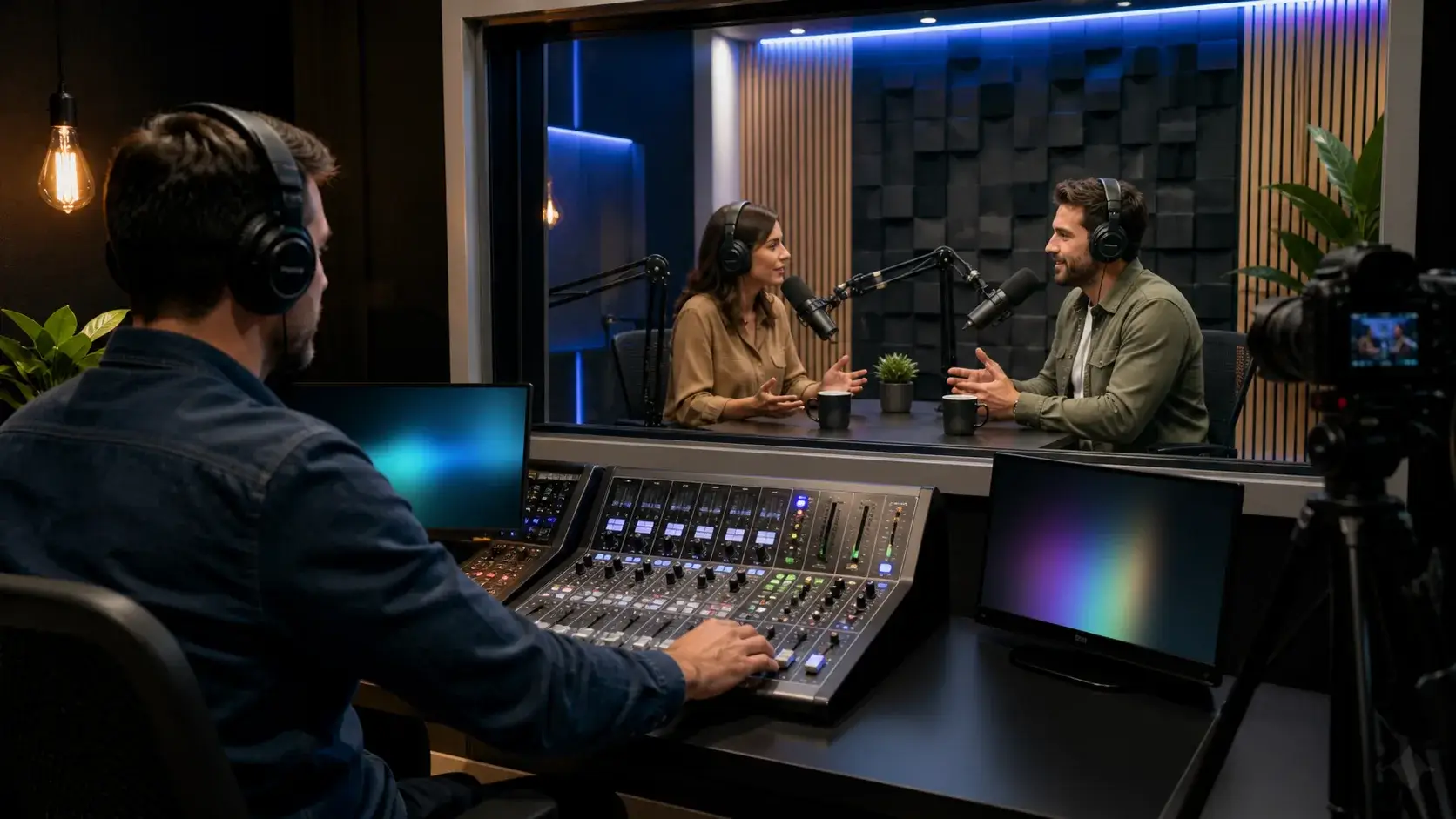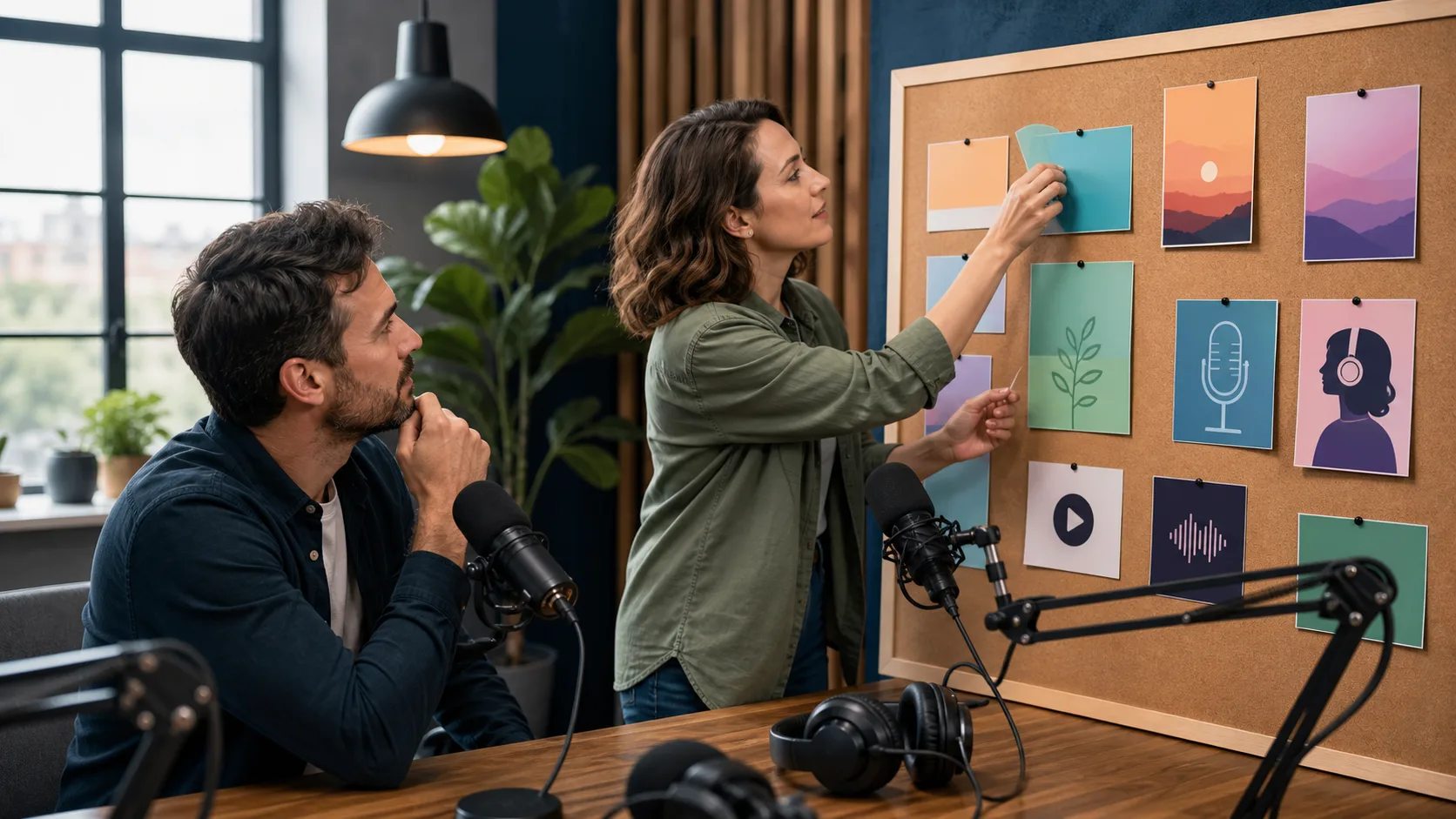
Most people think podcast production is just sitting down with a microphone and talking. But there’s a lot more going on behind the scenes before an episode is ready for listeners. Good podcast production helps a great idea sound clear, smooth, and easy to follow. It’s not just about fixing odd sounds or trimming long pauses. It starts way before the mic is switched on and keeps going after the last word is spoken.
When production runs well, everything feels natural. The conversation flows. Nothing sounds out of place. That doesn’t happen by accident. It takes a whole set of steps behind the scenes to shape the final result. Let’s take a proper look at what that actually involves.
Planning Before the Mic Turns On
A good episode usually starts with a solid plan. That early step helps keep things moving in the right direction once recording begins. Whether it’s one person talking or a group of voices, having a rough outline makes everything feel sharper and more focused.
- Planning often includes picking a topic, sorting a structure, and deciding how the episode will end
- If there’s a guest, we help with prep so they know what to expect and don’t feel caught off guard
- It’s not about scripting every word, just giving enough shape so the talk stays steady and doesn’t ramble
This behind-the-scenes work gives the conversation space to breathe but keeps it anchored. When you know where you’re going, it’s easier to get there. A bit of thoughtful prep now means editing later takes less untangling. The end result sounds smoother because the foundation’s already been built.
Getting the Right Sound from the Start
Once the episode is planned, getting set up matters just as much. A clean sound doesn’t happen by chance. It’s shaped by the room, the mic setup, and knowing how to spot the small things before they cause problems during editing.
- We check mic placement and angle so voices sound clear without extra hiss or echo
- The recording space is just as important, soft surfaces help, and loud ones don’t
- A short sound check helps catch strange hums, weird echoes, or any odd background noises
It’s easier to stop a buzzing fridge before we hit record than to try and fix it later. A smooth setup helps avoid surprises in playback. It turns a long edit into a quicker polish and lets the speaker focus on what they’re saying, not on background distractions or awkward mic angles.
Our podcast production team provides expert help with both remote and in-person recordings, and we work with clients to get the best sound even outside of traditional studio spaces. By offering setup support and practical guidance, we help shape cleaner audio before the main conversation begins.
What Happens After You Hit Stop
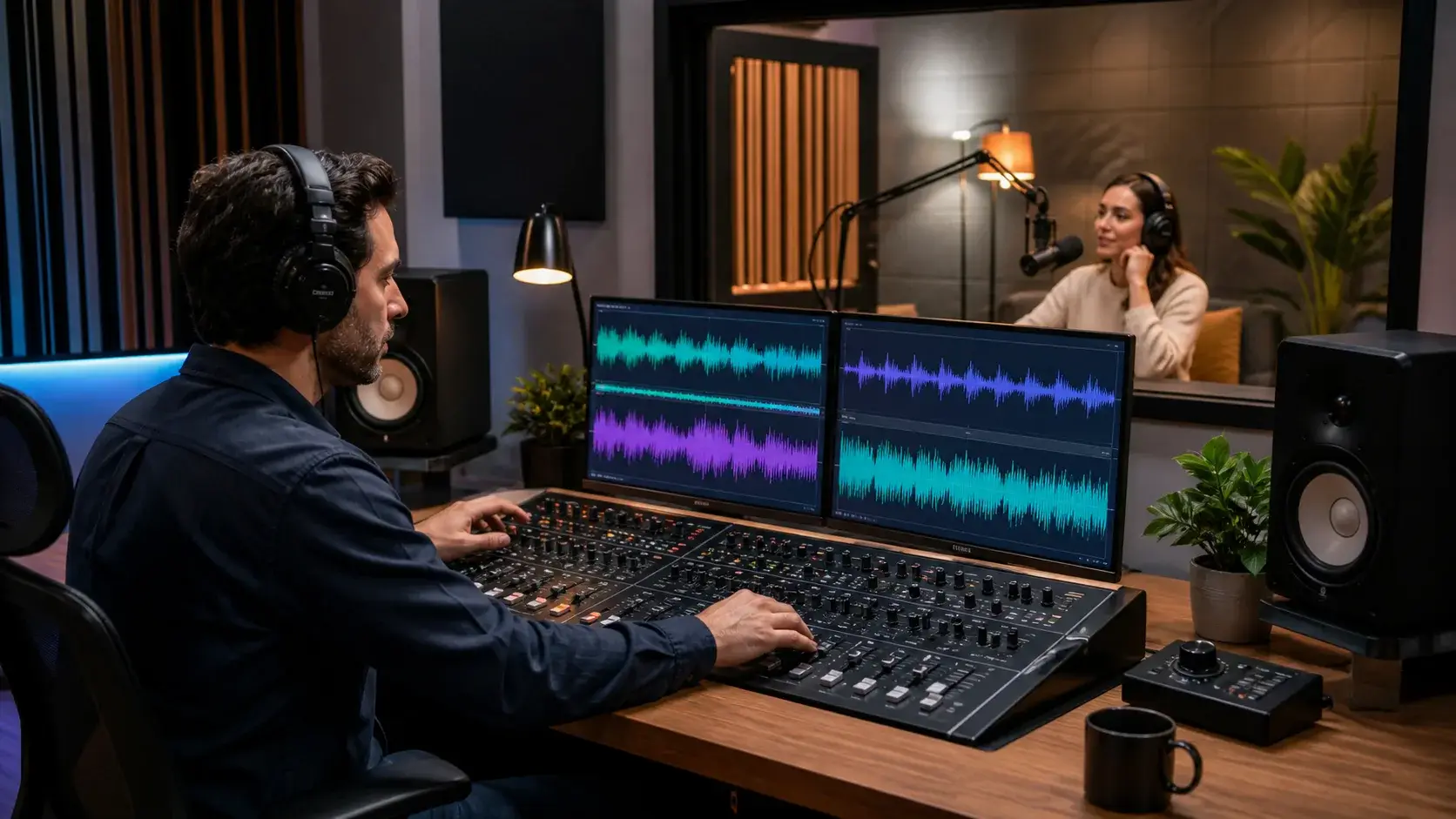
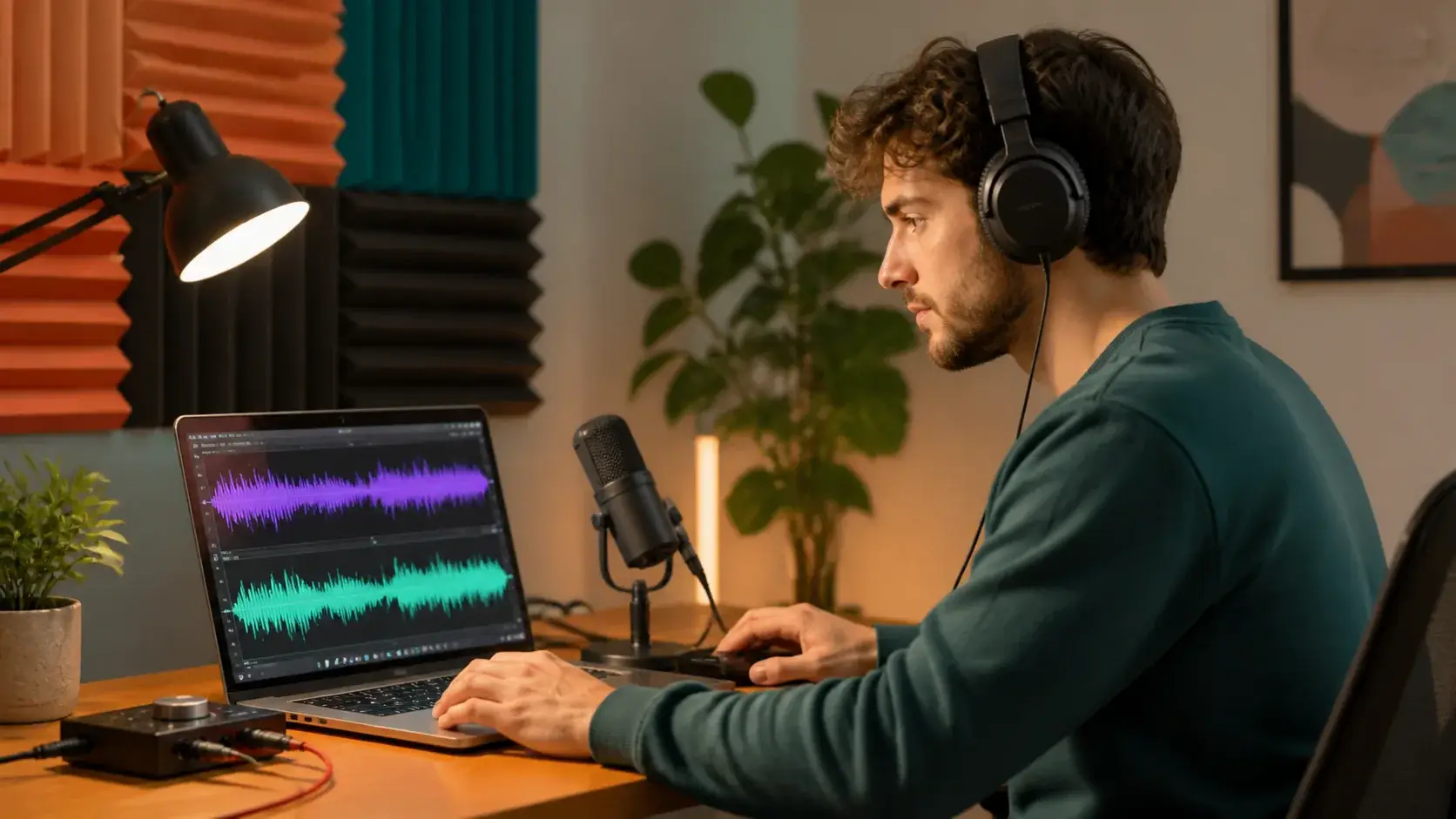
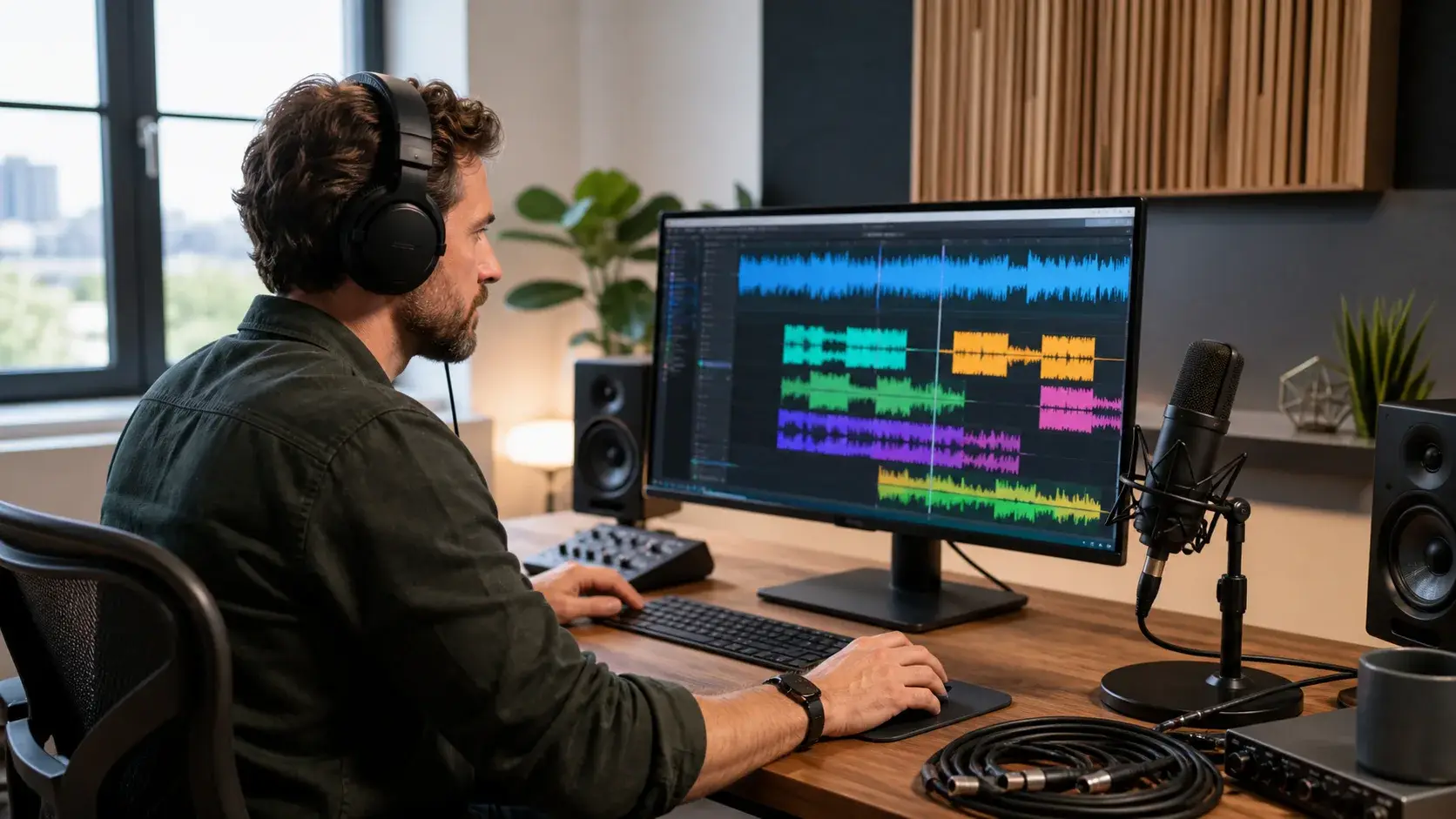
Recording’s only part of the story. Once the session is saved, the real shaping work begins. This is where we take all those sound files and start turning them into something people actually want to listen to. The editing stage is a core part of podcast production, because it’s where everything gets tightened, levelled, and cleaned up.
- We cut out long silences, off-topic tangents, or anything that pulls away from the message
- Volume levels are balanced so listeners aren’t turning their speakers up and down
- Small but important details like removing odd clicks or mouth sounds make a big difference
This part takes steadiness and a good ear. A rushed or choppy edit can be just as distracting as a noisy mic. We want the listener to focus on the voice, not the background. Good editing supports the content without drawing attention to itself. When done right, it simply feels smooth and easy.
We also offer mix and mastering as part of our podcast services, so episodes play clearly no matter the device, platform, or headphones. By finishing all the fine details, we make sure voices stay clear and stories flow right through to the end.
Putting It All Together for Listeners
Once the sound is polished, it’s time to bring everything together into something that’s ready to share. Publishing isn’t just about hitting an upload button. There are a few pieces that help make the episode easier to find and more enjoyable to follow.
- Each episode needs a clear title that reflects what it’s about
- Short show notes give a quick summary so listeners know what to expect
- The right file setup helps it load properly on platforms without glitches or delays
These little steps matter more than people might think. A confusing title or a missing summary can turn someone away before they even press play. Clear show notes and neat formatting help guide listeners from one episode to the next. Small things keep the whole experience smooth.
Why It Feels Easier With the Right Help
There’s a lot that goes on behind a single episode. Even a short show involves planning, recording, editing, and publishing. Doing it all alone gets tiring fast. That’s why support behind the scenes makes such a difference. When the tough parts are handled well, podcast production starts to feel lighter.
- Hosts can focus more on content and less on the fiddly parts of editing sound
- The whole process becomes more relaxed when the pressure is off
- Regular episodes become more realistic when you’re not always racing the edit
Trying to fix technical issues after a long recording session can be frustrating. But when things are already set up and edited properly, the whole experience becomes more enjoyable. It keeps the creative spark alive instead of draining it with too much tech hassle.
When the Process Works, the Message Stays Clear
When podcast production is handled with care behind the scenes, the end result is something people want to keep listening to. Voices come through clean and clear. Stories feel smooth, not scattered. Every part supports the message, without getting in the way.
And that’s really the goal. Behind all the gear and editing tools, it’s about sharing a message in a way that feels real. When the structure holds up and the sound sits right, it becomes easier to be heard. That’s the kind of experience we like to create, one that lets people speak freely and be listened to completely.
The right support can make all the difference when it comes to producing episodes that sound stronger and flow naturally. We handle everything from setup to editing to publishing, so your voice is heard clearly every time. With a well-managed process behind the scenes, you can focus on what you want to share rather than worrying about sound problems. Our approach to podcast production helps turn your ideas into episodes listeners enjoy and remember. Get in touch with On Air and let’s talk about how we can help.