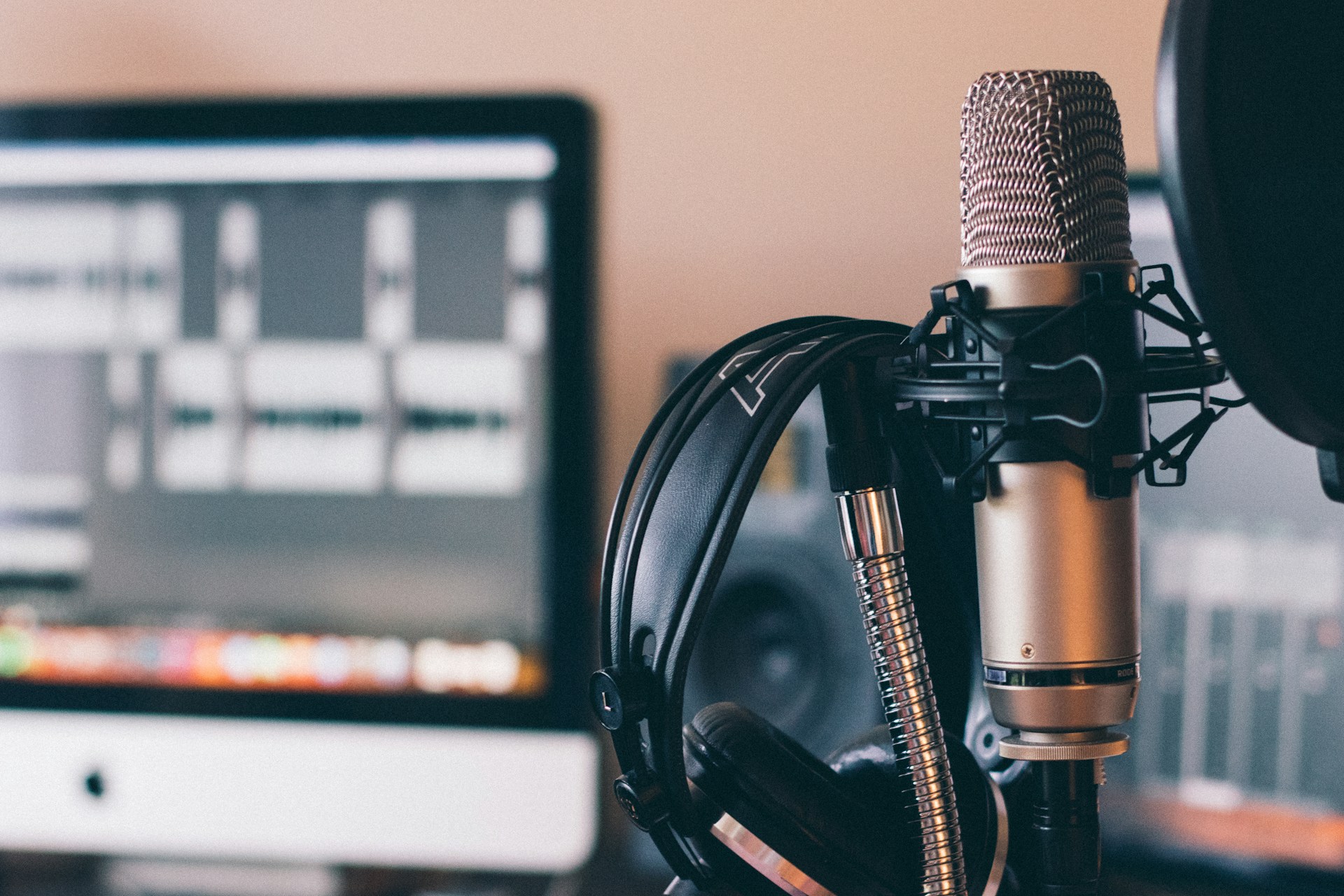
Most of us feel a little odd the first time we step in front of a camera for work. It’s one thing chatting in a meeting or explaining an idea in person. It’s another thing entirely when we’re standing under lights, with a mic clipped on, being asked to say it again, but this time to a lens.
That first go at corporate filming can feel stiff, even if we know our stuff. We pause too long, worry about our hands, or laugh nervously at the wrong time. Part of the reason is that it simply isn’t how we usually talk. Talking naturally takes very little thought until someone says, “action.” Then suddenly, everything feels mechanical. That’s normal. And it’s fixable.
Why It Feels Like Everyone’s Watching
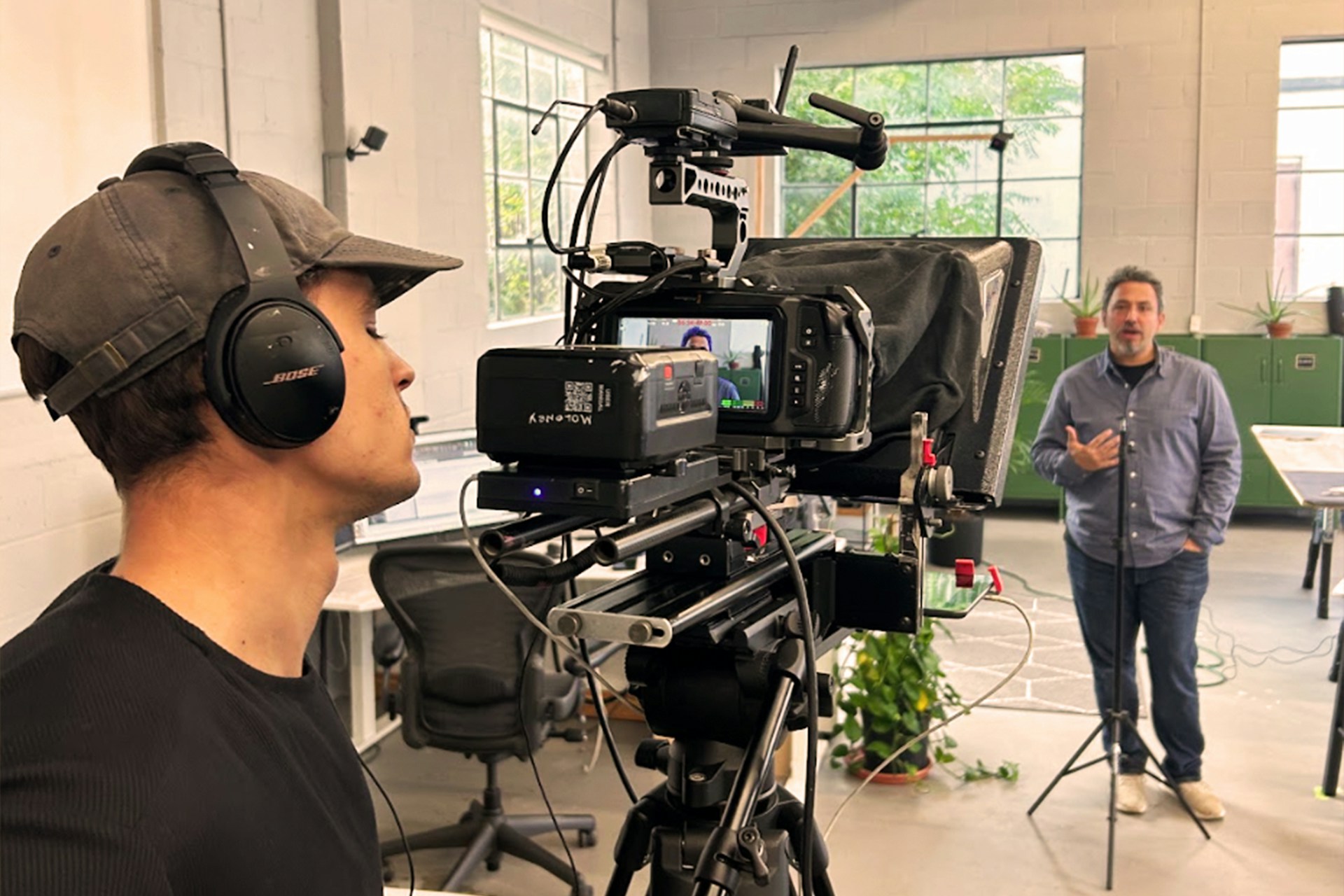
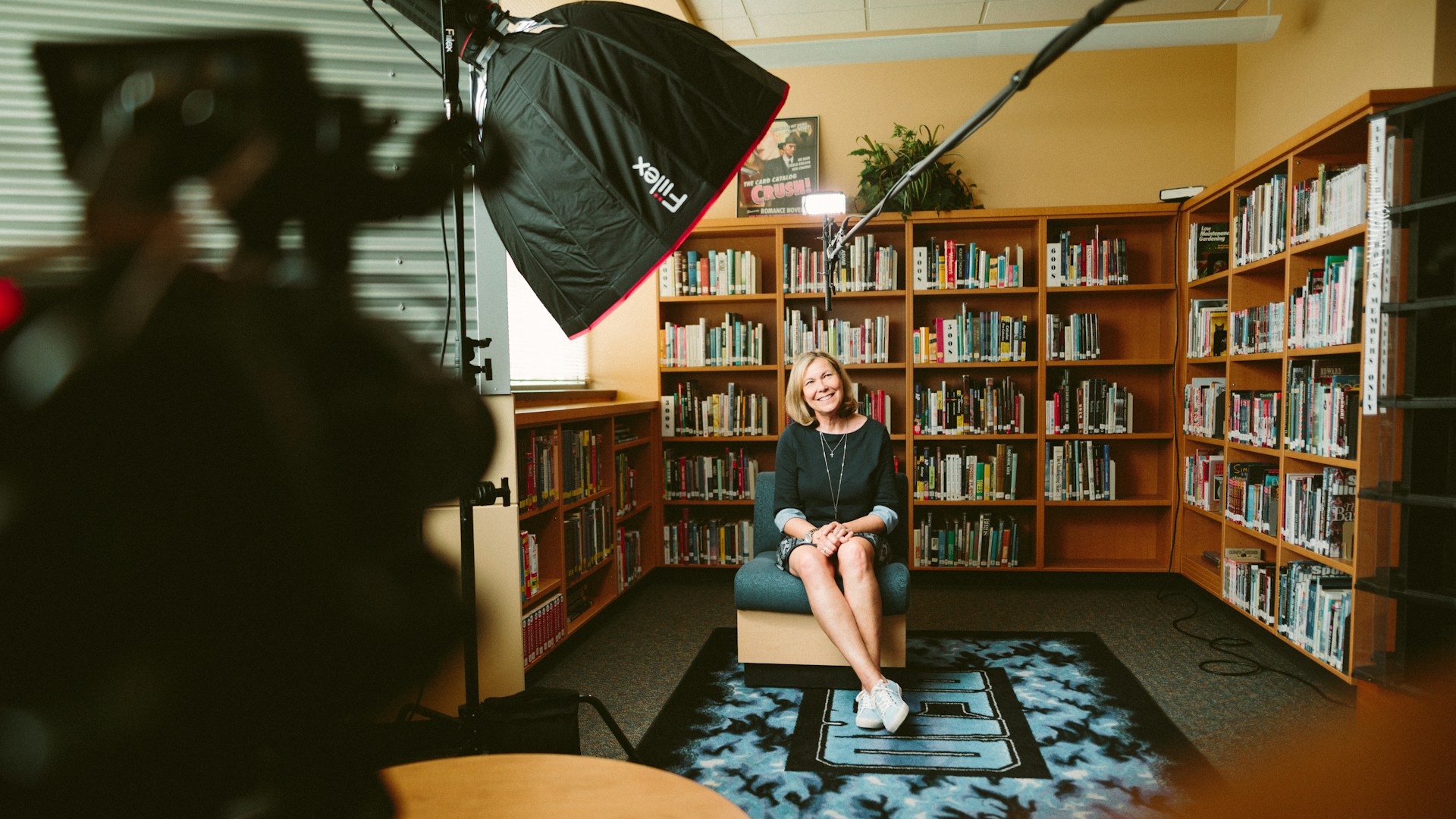
The pressure starts building before we even speak. There are people nearby (maybe the director, a camera operator, or a colleague keeping an eye on timing). The lights are hot, the room feels too quiet, and everything feels intentional.
It’s not just nerves, it’s the sudden formal setting. A camera changes the energy in the room. Small things begin to matter more (posture, where to look, how many “ums” sneak in). We start to think about things we normally never notice, and that can make us feel exposed.
• The studio setup can feel unfamiliar and clinical at first.
• Quiet spectators or too much crew presence can add pressure.
• The awareness of “being recorded” gets stuck in our heads, even when we try to relax.
It’s no surprise that people freeze up. When filming feels like a performance instead of a conversation, comfort disappears fast.
The Problem with Trying to Sound Too Perfect
When we try to nail our message word-for-word, something strange can happen. The sentences come out, but they don’t sound like us. We might trip over a line, backtrack, or flatten our tone. That usually happens when we’re chasing perfect delivery and not trusting ourselves to just speak.
We get caught thinking about how we should sound, and that creates a split-second delay that throws everything off. Every pause feels louder. Every stumble feels bigger.
• Memorising lines often leads to stiff delivery.
• Reading off a script can kill natural flow, even when the message is good.
• Overthinking tone and pacing turns genuine speech into a performance.
When people focus too much on being polished, they lose the warmth and rhythm of real communication.
Being on Camera Is a New Skill for Most People
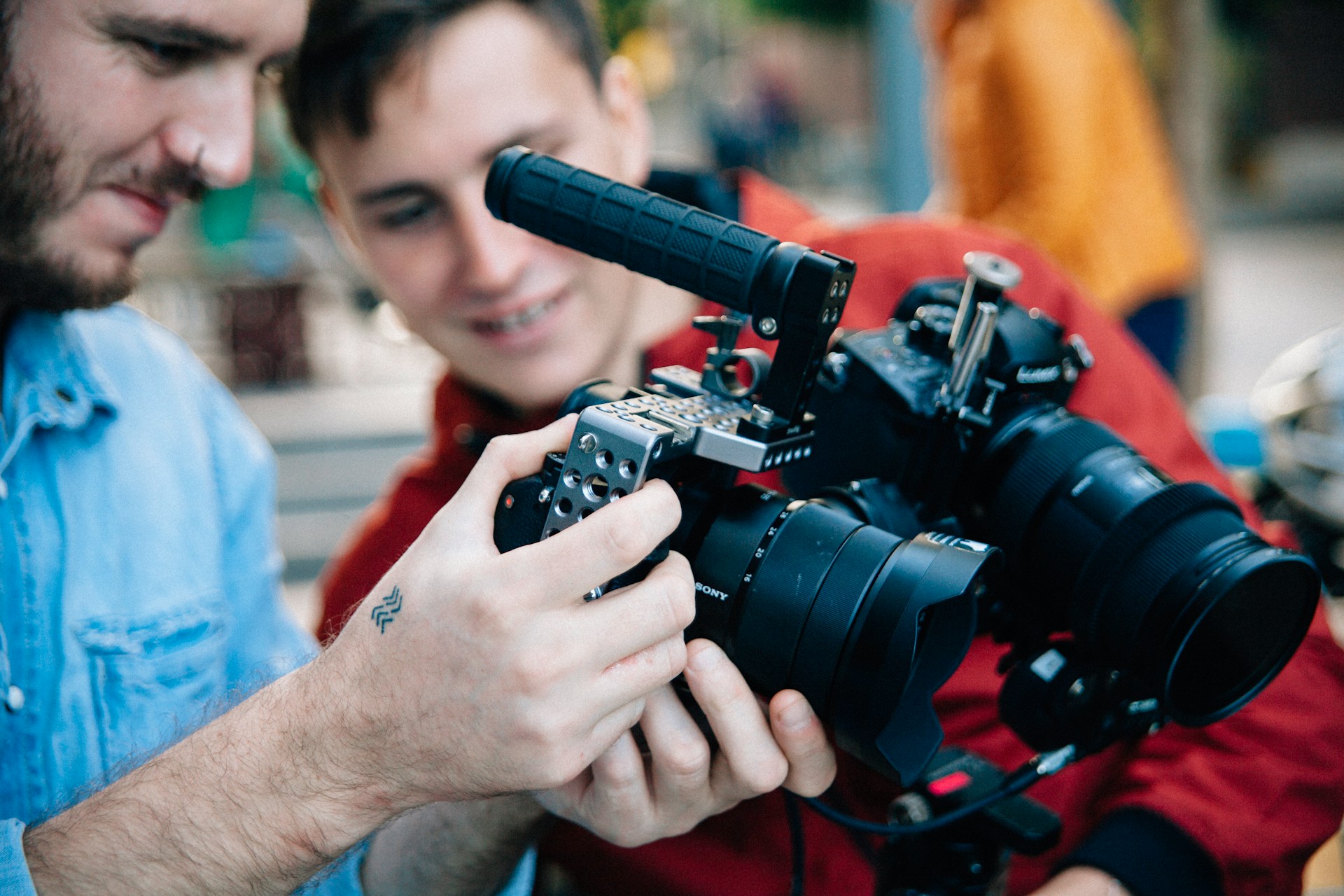
Most people haven’t had much experience speaking on camera. That’s why it feels strange when we try to do it the way we talk to others in a room. It’s similar, but not the same.
On camera, our normal habits shift. We might glance around instead of looking directly at the lens. Our voice might drop or rise more than usual. Some of us lock our arms in place or forget how to breathe between thoughts. All of that is normal.
• Eye contact with a lens doesn’t feel as instinctive as with a human.
• Body language can become too still or too animated without realising it.
• Voice tone and pacing naturally wobble when we’re new to filmed delivery.
Talking to a camera is its own thing. It can take a few tries before we find what feels right. That’s why it’s helpful to think of filming as a skill, not something we’re just meant to “get right” the first time.
What Helps People Settle Into Filming
Getting comfortable on camera usually starts with the right environment. When people feel at ease, they act more like themselves. That shift makes a difference, both in how we sound and how we move.
We’ve seen it help when people don’t feel rushed. Having time for warm-up questions or little non-scripted chats at the start can shake off the pressure. Doing a few takes helps too. Not everything has to be nailed in one go, and knowing that gives people more freedom to try.
• A calm, distraction-free space makes it easier to settle in.
• Clear direction about what to expect helps people focus.
• Practising with low-pressure takes improves confidence with each round.
The first version of a line might feel stiff, but by the third or fourth take, it starts sounding more natural. Building that momentum matters.
Small Steps Make a Big Difference
Feeling awkward at the start of corporate filming doesn’t mean someone’s doing it wrong. It just means it’s new. With some patience and the right setup, people usually relax into it much faster than they expect.
What matters most isn’t getting every word perfect the first time, but creating a space where people can find their rhythm. As the setting starts to feel familiar, the energy shifts. Shoulders drop. Smiles come easier. The connection returns.
Filming can work for anyone, as long as we focus on steady progress instead of instant polish. When we make space for people to warm up and try again, the results speak for themselves.
Making Filming Feel Easy
At On Air, you can film in fully equipped studios or choose on-location filming at your office, making it easy to work in a space that feels comfortable to you. Every set is designed to keep things simple with a dedicated crew guiding you at each step. Real-time direction and relaxed sessions are part of the process, letting you focus more on your message and less on the setup.
Find Your Natural Flow
Getting used to the rhythm of speaking on camera takes time, but it helps when each step is shaped around ease rather than pressure. We keep things simple, pace it gently, and focus on helping people feel like themselves again even under the lights. Easing into corporate filming for the first time is smoother with our support, making the process feel more like a conversation than a performance. At On Air, we believe a calm, steady setup brings out the best in every message, so let’s talk about what might work for you.