A good video can do a lot. Whether it’s for clients, your staff, or a wider audience, video helps you share messages clearly and consistently. Done well, it brings people together and puts everyone on the same page. But not every video goes smoothly.
Sometimes corporate video production feels rushed. Maybe there wasn’t enough time to plan, or maybe too many people had a say in the process. Either way, it’s easy to miss small things that become big problems later. And once you’re deep in editing or trying to fix sound, those mistakes take time to untangle.
Planning ahead doesn’t mean overcomplicating things. It just means thinking a step or two further at the start so you don’t lose days trying to fix something that could have been done right the first time.
Costly Delays from Poor Planning
When planning gets skipped, problems show up fast. People might have the right gear and crew on set, but if no one really knows what they’re filming or what message they’re supposed to get across, things stall.
- Poor planning leads to late starts or redoing scenes that should have been nailed the first time
- Location changes can throw the schedule off if they weren’t discussed ahead of time
- A missed script or unclear run sheet leaves everyone waiting while decisions are made on the spot
We’ve seen how a clear plan in the early stages keeps things moving later. That includes writing things down, who’s speaking, what needs to be covered, and which shots matter most. When people arrive knowing what’s expected, they stay focused and work quicker.
Sometimes, even when the equipment and team are ready, unforeseen challenges can arise if there isn’t a well-established plan. This is particularly true if there are last-minute changes or if details like call times and shot lists weren’t shared in advance. Simple misunderstandings about start times or specific shots can cost precious hours during production, turning a smooth day into a rushed one.
Trying to Fix Bad Sound After the Shoot
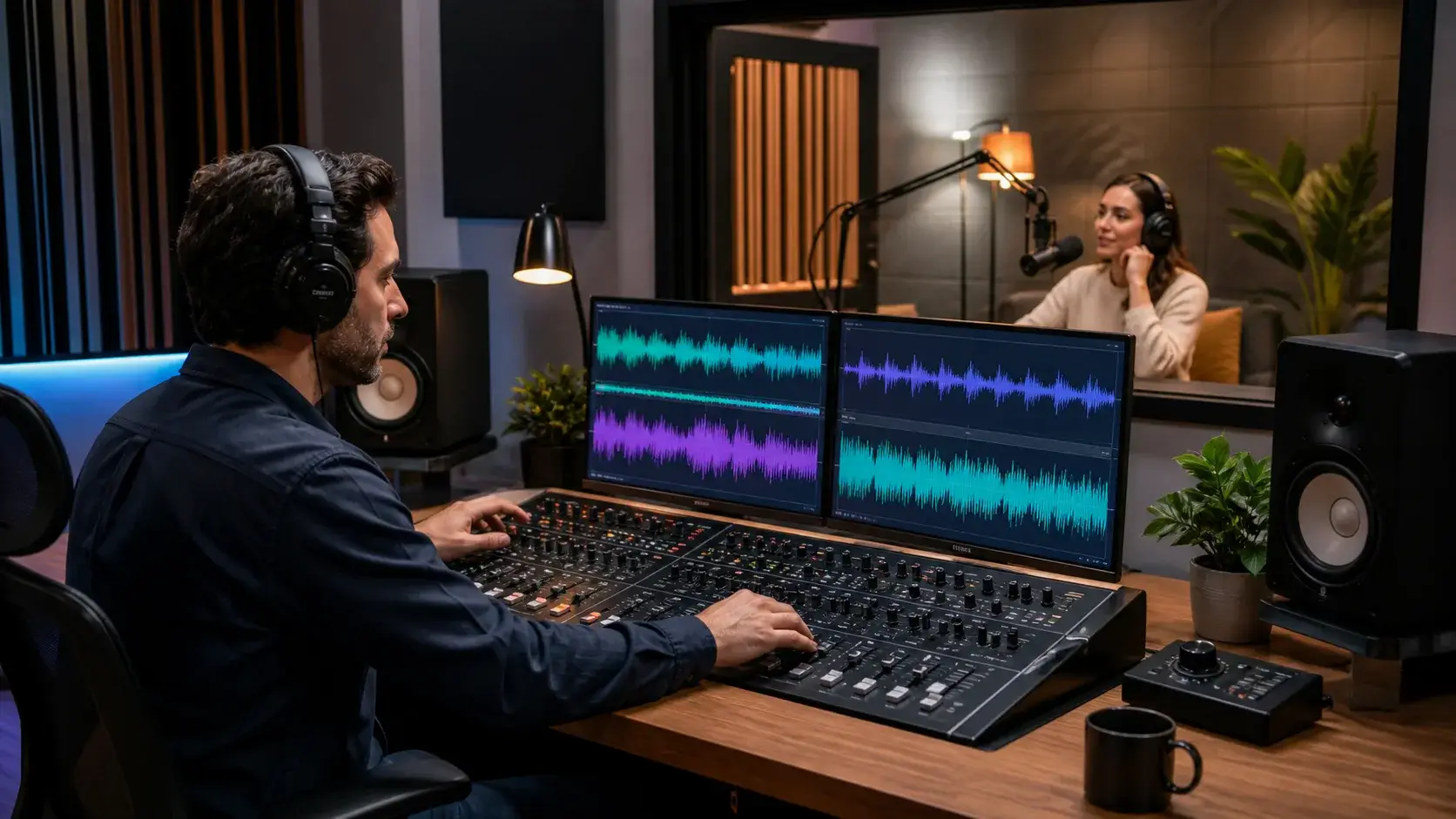
Good visuals will only get you so far. If your audio is hard to hear or full of unwanted background noise, you’ve got a bigger challenge. Sound isn’t something you can always fix after the fact.
- Wind, traffic, or room echo can ruin what sounds fine on headphones during the shoot
- If someone’s mic wasn’t working or dropped out, that clip might not be useable at all
- Trying to cover sound problems with music or fancy transitions rarely works
What makes it harder is that sound issues often don’t become clear until editing. By then, it might be too late to get everyone back together to reshoot. Giving sound the same level of care as the camera from the start saves hours down the line.
On Air uses professional sound equipment and experienced crew to help capture clean audio, reducing those common errors that are tricky to fix later. We recommend always checking sound before and during each shoot to avoid costly setbacks.
Even simple things, like doing a sound check for every speaker or making sure batteries are fresh, can make the difference between audio that works and audio that needs hours of editing. When everyone knows the value of good sound, it’s easier to build strong foundations for the entire project.
Too Many Voices in the Edit
Once filming is done, editing should shape everything into a strong, simple message. But when five different people give input, and none of them agree on the direction, edits drag on. This slows things down and pulls the project in different directions.
- Edits start to pile up when the message keeps shifting
- More versions don’t always make a better video, they just make a longer process
- Waiting for different approvals means losing momentum in post-production
The smoother way is to decide early who signs things off and what the final video is supposed to do. It’s about having the right people make the calls at the right time.
It’s also helpful to agree on the main message before anything is shot. If everyone knows what the video is supposed to say and who it’s meant for, it makes the editing process much quicker. Consistency in feedback, clear direction, and fewer people involved in approvals will keep things on track.
Forgetting Your Audience
We see this one a lot. A video gets made for the sake of the message, but not for the people watching it. It might sound polished or hit key business points, but if it doesn’t speak to the viewer in a way that feels useful or relatable, it doesn’t land.
- Messages aimed at leadership can miss the people actually doing the work
- Overcomplicated language or long-winded scripts lose attention
- Without clear intent, videos can feel flat or forgettable rather than helpful
Taking time at the start to ask “who’s this actually for?” shapes everything that follows. Words, visuals, editing choices, they all work better when the viewer stays front of mind.
We always structure our shoots and edits around a clear purpose, making sure the audience gets the message that matters most. This keeps content on track and helps avoid losing focus.
For example, including examples or stories that people can relate to, or using footage from the day-to-day work environment, can make a corporate video more engaging. Considering your viewer’s interests, pace, and level of understanding means your message stands a better chance of sticking.
Skipping Pro Help and Hoping for the Best
Sometimes a video gets made using in-house tools or borrowed gear. That might sound fine at first, but it rarely holds up once the work starts. Whether it’s lighting that doesn’t fit the room or edits that don’t quite pace out right, what looks easy on paper can take days longer in practice.
- Footage that’s too dark or shaky is hard to fix in post
- Audio that wasn’t recorded properly can’t be magically cleaned up later
- Untrained speakers can feel stiff or unclear without direction
Getting support from people who do this every day means you don’t lose time correcting things later. It’s not about making things flashy. It’s about getting scenes right the first time with less guesswork.
Our crew bring broadcast-quality equipment and pre-production planning to every filming session, which helps avoid problems that take extra days to fix later.
Experience makes it much easier to recognise potential issues before they cause setbacks. A professional crew will spot lighting challenges, background distractions, or awkward camera angles ahead of time. They’ll also give untrained speakers the tips or support they need to feel comfortable on camera, which helps everything run smoother.
Small Fixes Take Time, Clear Starts Save It
Most of the problems we’ve listed don’t appear right away. They show up when time’s short and expectations are rising. That’s when small errors become blocks, and the whole process slows down.
The strongest videos come from clear roles, thoughtful preparation, and a shared message. When we spend a little more time at the beginning, we don’t waste it later finding out where things went wrong.
Being ready upfront keeps things smoother all the way through. It’s not about being perfect, it’s about getting enough right at the start so the rest becomes a lot easier.
It’s a good idea to talk about expectations, ask questions, and set up a realistic timeline before starting anything. The more everyone understands the plan, the fewer obstacles you’ll face. Little checks at each step lead to fewer last-minute issues and help everyone stay on schedule so the project ends well.
A successful project starts with thorough planning, and at On Air, we understand how the small details can impact your timeline. By defining your message, assigning clear roles, and mapping out how every part fits together, you avoid unnecessary surprises down the line. When you’re considering professional support for your next corporate video production, we’re here to guide you through every step, reach out to On Air to start the conversation.