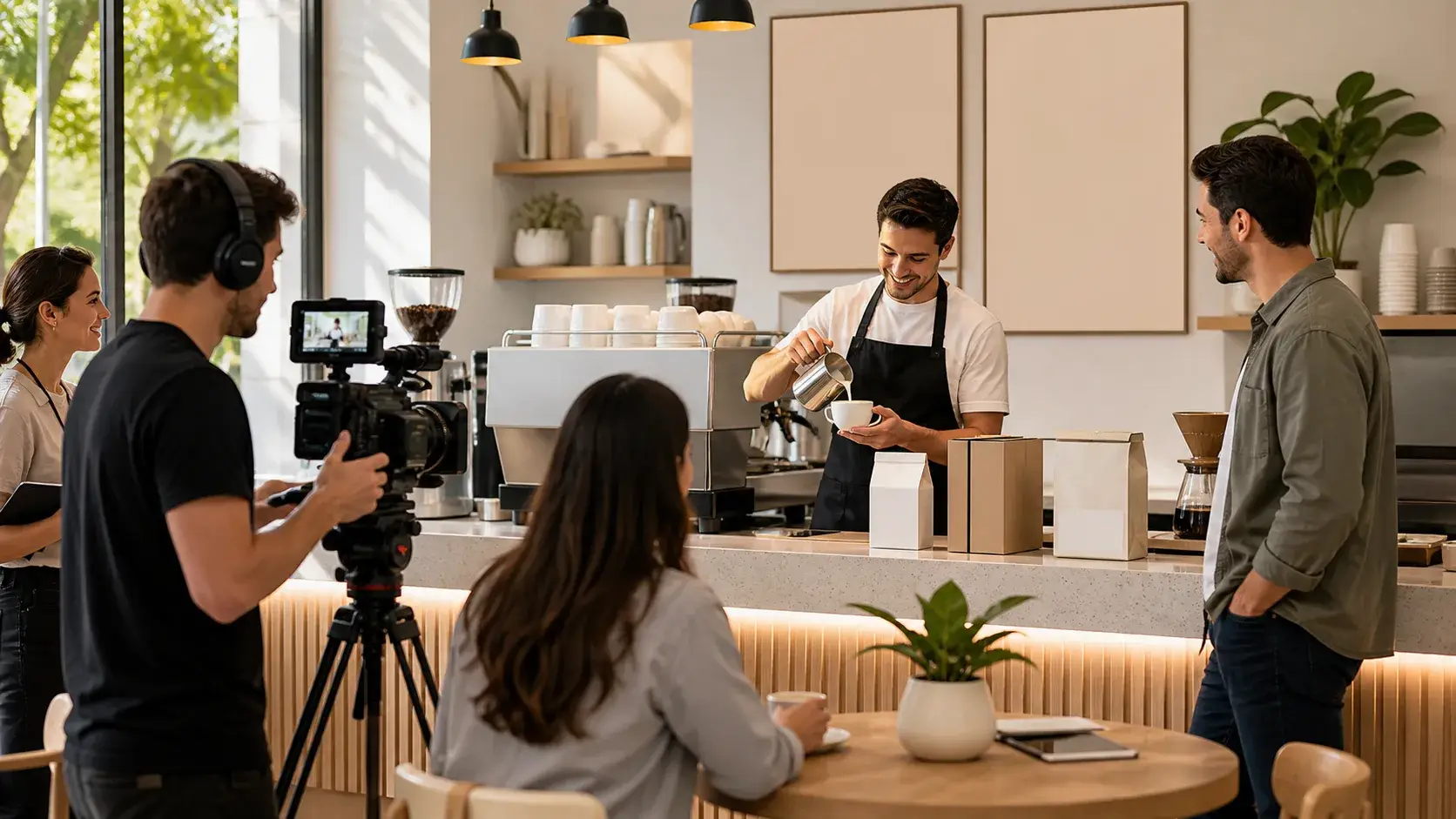
Starting a big film productions project feels like a big step, and it is. There’s the excitement of bringing an idea to life, but before anything gets filmed, there’s a lot to think through. It’s easy to rush in once you’ve got a strong idea or a deadline ahead, but skipping the early questions can set you back later.
We’ve worked on enough shoots to know how quickly little things become big problems. That’s why sorting a few things early helps more than you might expect. With the right questions, you can reduce stress, save time, and keep your project moving forward without too many surprises. Here’s what we check before we get started.
What’s the Story and Why Are You Telling It?
Every strong project has a clear reason behind it. Without that part nailed down, things can get messy as the work grows. We always start by asking questions around these points:
- Who is this film for? Is it meant to inform, entertain, or inspire?
- What do we want people to feel or understand after watching it?
- Why does this story need to be told on camera instead of through writing, illustrations, or audio alone?
Film can be powerful, but it needs the right kind of idea. Some stories work better in print or on a podcast, while others only make sense when shown through movement, sound, and visual tone. Even if you know your message well already, it helps to write it out and ask if it fits film.
We also think about the tone and the pace. Will it feel lighthearted or serious? Is this more of a sit-back-and-watch piece or something fast-paced and direct? Setting this early gives us a line to follow so everything we plan serves that same message.
Who Needs to Be Involved Early On?
Film productions aren’t something you want to build alone. Even small shoots need the right people at the table early, or else things can fall apart later. It helps to slow down and decide:
- Who’s making the creative choices?
- Who’s handling technical things like gear, lighting, and sound?
- Who’s going to edit the footage and pull everything together?
The more people you add, the more important it becomes to give clear roles and expectations. Voiceover talent might need script drafts ahead of time. Interview guests want to know when and where they’re speaking. And editors work best when they’ve been looped in before the shoot ever starts.
On Air’s crew has experience from TV, brand campaigns, and business shoots, and we’re used to guiding everything from pre-production to the last edit. Our filming services include help with scripts, planning, and capturing both interviews and event footage to meet your project needs.
We’ve learned that having the right hands involved from the start keeps everyone on the same page. It avoids surprises on shoot day when someone thought they were just showing up to help but ends up running sound.
Where and When Will You Be Shooting?
Filming sounds simple until the weather changes or your space gets double-booked. Picking your location and timing is about more than what looks nice. There’s planning involved, and in the UK, September needs special thought with daylight and weather changes.
- Are you filming indoors, outdoors, or a mix of both?
- Do you need permission or permits to film in certain locations?
- Are there holidays, school terms, or local events that might impact your plans?
We try to map out the best times of day for light and sound, especially if we’re using natural light or recording somewhere busy. Close spaces might need extra sound checks, and busy locations need help with crowd and noise control.
Leaving enough time to scout your shoot area saves you from scrambling on the day. Some spots look good on paper but sound terrible when it’s time to record.
How Will You Stay Organised Once Things Begin?
It’s easy to get excited when filming starts, but that’s when being organised really counts. Without a plan, files can go missing, people forget what day they’re needed, and one small delay knocks everything out of place.
- Make copies of all footage, audio, and notes just in case one goes missing
- Keep one shared place where the shoot schedule, shot list, and contact sheet stay up to date
- Work out ahead of time how clips will move from one device to another and how post-production will start
When everyone knows how the day’s running, it’s easier to figure out what comes next and what’s already done. We find that keeping things simple beats loading people up with paperwork or having too many apps involved.
Organisation doesn’t need to be complicated. It just needs to help the crew stay focused and cut down on small mistakes that turn into bigger ones later.
We offer post-production and editing, as well as guidance with backup plans and storage, so each project, from branded social video to longer productions, runs without major hiccups.
What Could Throw the Schedule Off Track?
No matter how well you plan, something will go sideways. Some of it can’t be helped, but a bit of planning ahead can make mid-shoot changes easier to handle.
- Watch for things that might mess with your timing like weather, traffic, or people running late
- Plan for backups, whether that’s a spare camera battery or an indoor space in case of rain
- Leave time for people to eat, recharge, and step back from the work, burned out crews don’t shoot well
It’s better to spot weak points now than wait until you’re already behind. We look at the plan and ask, “What’s most likely to go wrong?” Then we add small fixes like earlier call times, extra rest breaks, or even a gap day between shoot dates to deal with delays.
Shoots run better when no one feels like they’re racing the clock every second.
Make the Early Questions Count
Big film productions come with moving parts, and the earlier you shape the project, the easier it becomes to handle. Asking the right questions at the beginning clears up confusion before it starts. When the story feels solid, the people know their roles, and the timing makes sense, things feel smoother all the way through.
Not every project runs without hiccups, but planning early gives you room to handle problems without losing momentum. These questions won’t solve everything, but they get you to a place where the work can grow with less guesswork. It makes the next step a little easier, which is exactly what any big creative job needs.
Planning a major project is easier with the right foundation, and our team knows how strong preparation and clear direction work for success. Whether you need campaign content or are shaping a longer form narrative, our approach to film productions means every creative and technical step works together seamlessly. At On Air, we focus on practical planning and delivering results you can trust. Let’s start a conversation about how we can support your project from day one.