On the surface, podcasts sound simple. Just hit record, say what’s on your mind, and press upload, right? But if you’ve ever tried putting one together, you’ll know there’s a lot more to it than that. The parts you hear are only one side of the process. Behind each great episode is a bunch of work that makes it feel easy to listen to and easy to follow. That’s where the real value of a podcast production company comes in.
We know how much goes on behind the scenes. That’s why we wanted to walk through each step a professional team usually handles. Whether you’re brand new to podcasting or looking to level up, knowing what support is possible helps make sense of what podcast production actually takes.
Planning the Podcast Before Recording
Before mics are set up or headphones go on, there’s a full round of prep that helps the podcast sound clear and thought-through. It’s the part that can make or break how well an episode flows.
- We help shape ideas from the start. That could mean choosing what topics to cover or how to turn a rough theme into a real conversation.
- Finding and booking guests gets easier with support. We can help pick people who fit the tone of the show, and who’ll actually be good to listen to.
- Structure matters, even in relaxed shows. We often sketch out voice notes or short scripts that give speakers a map to follow but still leave space for natural talk.
When this first step is solid, everything that follows tends to go more smoothly. It sets the tone and makes the whole recording feel more relaxed. By having a clear plan, it becomes easier for everyone involved to feel confident. The host knows which direction to go, and guests know what to expect. This process also allows the creative team to anticipate any challenges and be ready to solve them before recording, so things rarely feel rushed or confused.
Recording Setup and Support
This is the part many people think about first, but getting clean audio and a comfortable space takes more know-how than it seems.
- Whether you’re in a studio or working remotely, we sort out the setup. That means mics, stands, pop filters, and any gear to make sure voices come through clearly.
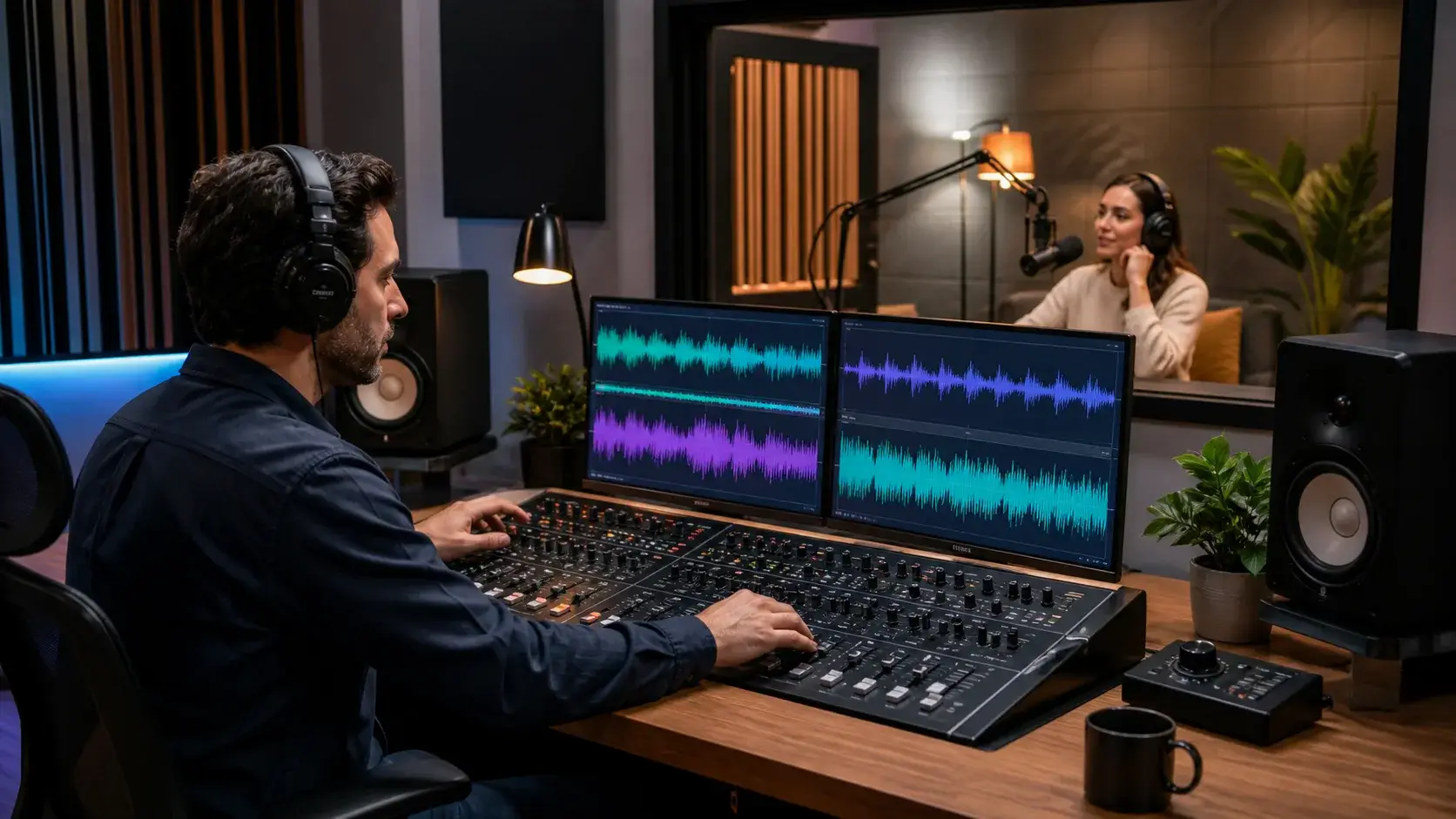
- We listen in real time to make sure everything sounds right. That includes balancing sound levels, spotting background noise, and catching small issues before they become big ones.
- A good setup isn’t just equipment. We also help speakers feel calm and ready. When the setting feels low-pressure, people tend to speak more naturally.
Sound is half the story, and getting that right from the start saves time and stress later. Good recording support means fewer retakes and better stories. If someone is worried about background noise, we work to create as quiet a space as possible. We also handle technical settings, making sure that the audio is captured clearly and cleanly, so no one needs to worry about whether they’ll be understood later on.
Cleaning Up and Editing the Audio
Once everything’s recorded, the raw audio almost always needs a bit of work. That’s where clarity and polish come in.
- We take out long pauses, small mistakes, or parts that wander off track. It makes everything tighter and easier to follow.
- Next, we balance the audio so that all voices come through at the same volume and tone. That way, no one sounds too quiet or too sharp.
- Transitions matter more than most people realise. We edit them to keep the conversation flowing, even when it moves between very different parts.
This step is where a podcast begins to sound like the ones you enjoy listening to. You don’t really notice the edit when it’s done right, but it makes a huge difference. Well-edited audio makes listening smooth, so people don’t feel distracted by volume changes, awkward silences, or clumsy cuts. Editing can even gently guide how the conversation feels, helping the energy and mood stay consistent from start to finish.
Adding Music and Final Touches
Once the main edit is set, we start adding in the parts that give the episode its full shape. These details help it feel complete.
- We pick or place intro and outro music that fits the tone of the show. Then we adjust sound levels so the music and speech don’t fight each other.
- Sound effects, when used, are quiet and simple. They’re there to support the story, not take over the episode.
- We give the full episode one last polish so it all feels like one piece. Not just a collection of clips pasted together, but a clear and steady stream.
Final touches are the kind of things listeners don’t think twice about, but if they’re missing or off, the whole episode can feel unfinished. The right music opens a show with energy or calm, setting the mood right before anyone speaks. Subtle effects can highlight a key moment. These pieces, when handled thoughtfully, tie the episode together so it feels smooth and reliable. Even details like fading music in and out or making sure words aren’t covered by a tune help maintain a sense of quality and flow.
Helping with Launch and Sharing
Once the audio is polished, it still needs to be shared in a way that works. That last part helps the podcast reach people without issues.
- We export the file into the right format, so it plays smoothly wherever people like to listen.
- Each episode needs a title and a short description. We write these with care so new listeners understand what the episode is about without needing to hear it first.
- Finally, we upload the episode to podcast platforms, check how it looks and sounds once it’s live, and troubleshoot anything that doesn’t land right.
This part of the process often gets rushed, but making the launch steady and clean helps the podcast show up right from day one. The little jobs, like double-checking links or cover art, make sure each episode arrives looking its best. Well-written descriptions also help the show be found and enjoyed by new listeners. Regular posting times help people know when to expect fresh content, and that dependable rhythm encourages a return audience. Launch support ensures that every episode transition, from edited audio to published show, is as smooth as possible.
Podcasts Built for Clarity and Consistency
At On Air, podcasters benefit from technical support and creative input in Central London studios or remote setups. Our services include planning, scripting, studio recording, editing, music curation, and upload management, so you can focus on sharing your message instead of day-to-day technical details.
Make Every Episode Feel Effortless
Most listeners never hear the planning, setup, or editing behind a podcast, but when those parts go well, the difference is clear. The story flows better. The speaker sounds more sure. And the whole thing becomes easier and more enjoyable to listen to.
A lot of work goes into making something feel easy. That’s why having people behind the scenes matters. With the right hands on each part of the process, the person speaking gets to focus on the message, and the listener gets a calm and steady experience from start to finish.
Launching a new show or elevating your current one becomes much smoother when you work with a proper podcast production company. Every detail is carefully considered, and you save valuable time and avoid stress by having experts guide you through each stage, from concept to publication. At On Air, we make sure your voice stands out while handling the technical elements seamlessly. Ready to take the next step? Send us a message and let’s chat about your podcast goals.