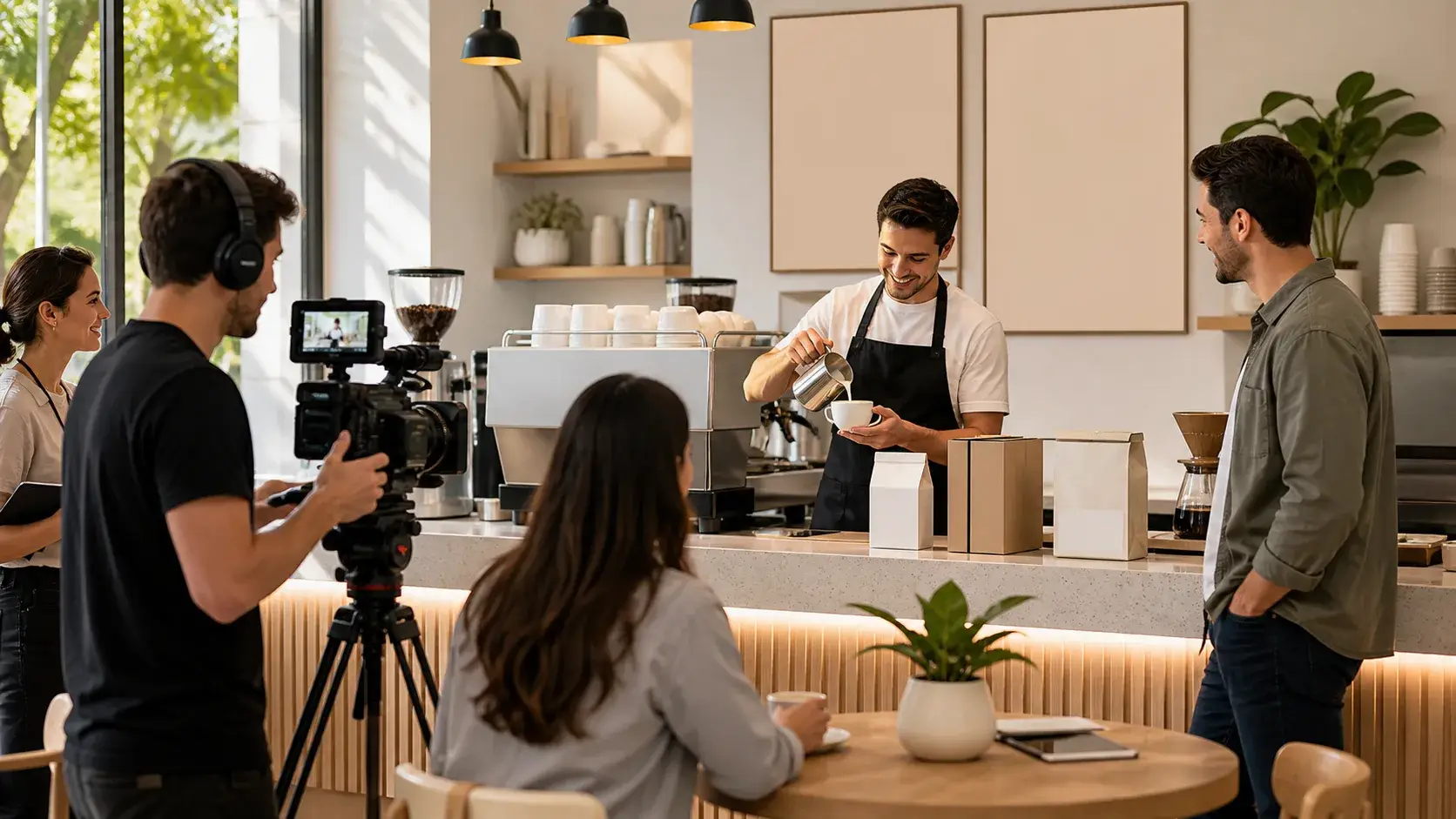
Video advertising has become a go-to tool for a lot of businesses. It’s often the first thing people see in a campaign, and for good reason. A short clip can show a feeling, explain a product, or grab attention quicker than any long paragraph ever could. But even with all its strengths, video doesn’t always carry the whole message.
There are times when a video pulls someone in, but they still scroll past or forget about it later. And that’s where the trouble starts. A good video might open the door, but keeping someone around often needs more than just that. We’re going to look at why video can’t always do the full job on its own and what else helps make it work better.
Where Video Shines and Where It Doesn’t
It’s easy to see the value in video advertising. It stands out in a feed full of photos or plain text. The fast pace and visual editing catch the eye in seconds. We can show how something works, create a mood, and say a lot in a short time. It’s also great at sparking interest, especially when paired with music or voices that feel real.
But here’s what it doesn’t always do:
- Hold onto attention for more than a few seconds
- Build full trust with someone who’s never heard of us
- Stay in someone’s mind without support content
Most people watch a lot of video each day. That doesn’t mean they act on it. They might enjoy the clip, smile at the message, or even share it. But that alone doesn’t lead to a visit, a follow-through, or a long-term connection. To move someone from “That was nice” to “Let me learn more,” we often need something extra.
The Role of Text, Stories, and Timing
After someone sees the video, what comes next matters. If there’s nothing else around it, no caption that tells more, no follow-up post, no reminder a few days later, we’ve missed a chance to hold attention a little longer. That extra step is where other content comes in.
- Short posts and written pieces help explain things a video can’t fit in
- Behind-the-scenes photos or quick stories can give context
- Regular updates remind people we’re still here and worth listening to
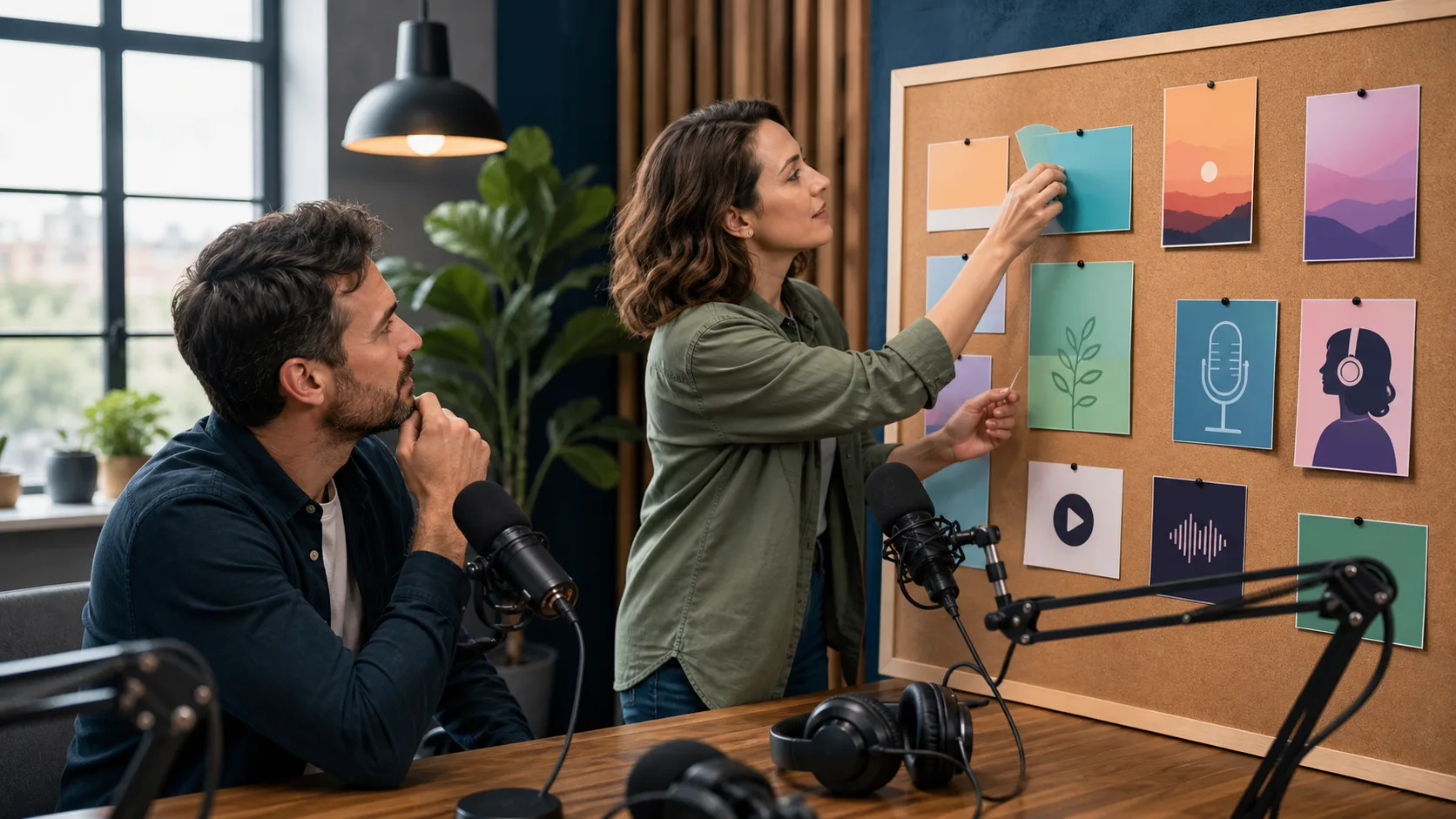
When videos work best, they’re not on their own. They’re supported by a plan that includes different ways to say the same thing, each one adding a little more to the picture. The timing of these pieces matters too. A post two weeks late feels like a separate message. When content goes out close together, it feels more complete.
For example, following up a video with a written post can help answer any questions the video raised but didn’t cover due to time limits. A series of images might highlight product details the video only hinted at. These smaller pieces of support content reinforce key ideas and make the message feel more substantial. This approach also helps audiences with different preferences engage on their own terms. Some may prefer to watch, others to read, while others respond best to visuals.
Real Connection Takes More Than Flash
The quickest video can make us laugh or stop scrolling for a moment. But most of us decide who we trust based on more than a clip. We look for signs that someone is real, how they speak, what they share, and whether the story seems steady and true.
- Honest posts, ones without too much polish, feel more relatable
- A consistent tone across posts starts to sound like a real voice
- Content that shows up regularly feels more dependable than random bursts
We’ve seen that people stick around for what feels human. That doesn’t mean every post needs to feel personal. What matters is that it doesn’t feel like a one-time ad. When the voice stays the same across videos, posts, and replies, people start to recognise it and believe it.
Building trust is about more than grabbing attention. It’s a slow process of showing up, sharing more of the story, and inviting the audience into the experience. The journey from first impression to loyalty happens over multiple touchpoints. The more consistent and genuine these touchpoints are, the stronger the relationship becomes. Frequently, it’s the repeated exposure to a familiar voice or perspective that convinces viewers to pay closer attention, rather than a single striking video.
Pairing Video With Other Formats
Some messages land better when they come from more than one kind of post. A clip might spark interest, but a live video can answer questions in real time. A short written post might clear up something the audio skimmed past. A podcast could take the idea even further, giving someone something to listen to during a walk or drive.
Here’s what we’ve found helps:
- Using stories, lives, and written content together with video
- Sharing updates in an order that makes sense, first video, then follow-up post
- Offering variety so it doesn’t feel like the same content over and over
That mix of formats gives the message more chances to reach someone in a way that works for them. Some will watch. Others will read. Some just want to hear the voice and move on. Having a few options makes it more likely the idea will stick.
Combining different formats also helps appeal to a wider audience, each with their own preferences for consuming information. Live Q&A videos, for example, enable real-time interaction, which can make people feel seen and valued. In contrast, a podcast lets the brand tell a longer story without the pressure of visuals, providing an alternative way to deepen the message and develop trust.
Steady Builds Stronger Than Quick Wins
Video advertising can do a lot, but we’ve seen how much stronger it works when it’s part of a bigger plan. A one-time video might get loads of views, but it won’t keep people coming back by itself. That next step, another post, a follow-up story, a chance to connect on a deeper level, is what makes the difference.
The accounts that grow trust steadily don’t rely on flash. They show up in small ways, over time. They tell a story bit by bit, through video, text, photos, and sound. Each piece matters, not because it’s perfect, but because it connects to the rest. When everything works together, people notice. And they remember.
What we see again and again is that the businesses with staying power are those who support each video with ongoing updates and new stories. They check in with their followers, provide answers to questions, and reveal more layers of their work and purpose with every post. Over weeks and months, this adds up to a track record that people come to trust.
Better Video Results With the Right Support
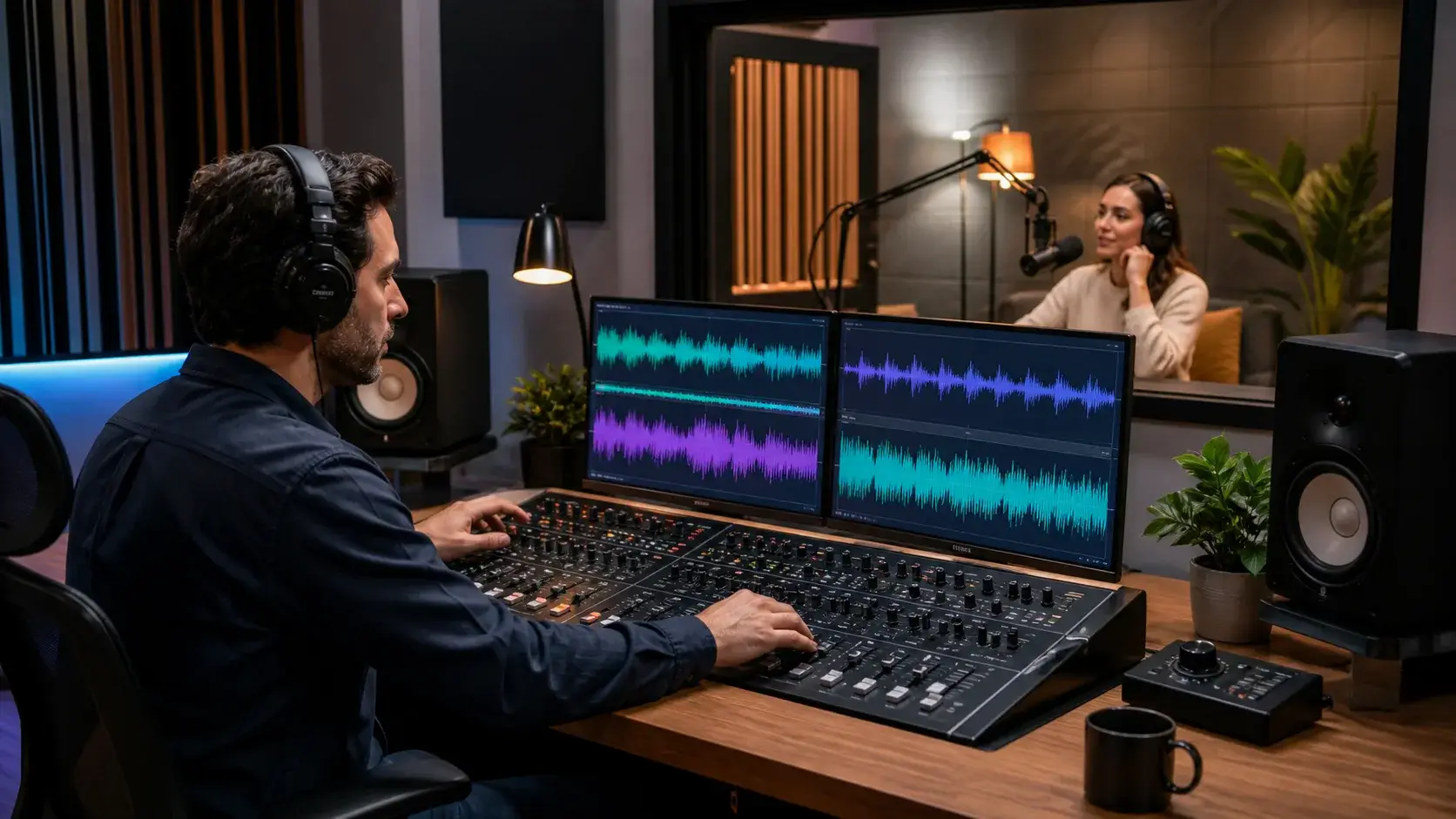
At On Air, brands can access video production for social media, web, ads, or email, with full editing, sound, and captioning to match every platform. Our team creates supporting content alongside every video, including short posts, branded images, behind-the-scenes stories, and scheduled uploads, so campaigns all work together.
Working Together for Real Connection
We know that real results happen when strong ideas are supported by the right mix of tools, not just one. That’s why we look at what goes beyond a single clip to keep people interested and build lasting trust. When your current approach to video advertising isn’t getting the traction you hoped for, it’s worth considering how everything works together. Let’s talk about what supports those visuals and keeps your message going long after the video ends. Get in touch with us today to see how we can help.